

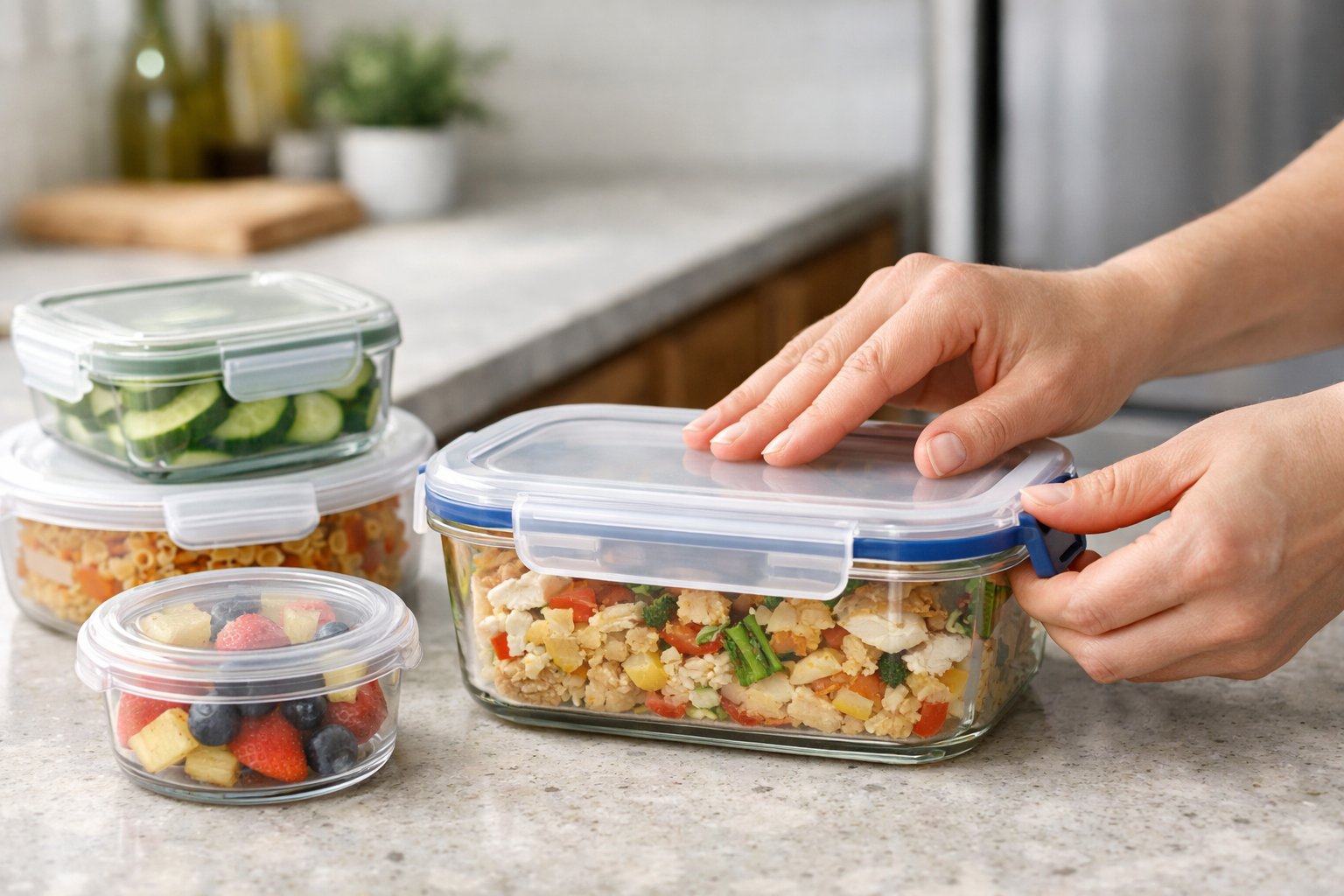
Check out our latest compact vacuum sealer for food collection!
Most of us check expiry dates religiously, tossing out perfectly good sealant tubes because the printed date says we should. But here's what manufacturers won't always tell you: the quality of your seal matters far more than that stamped date when it comes to whether your sealant will work when you need it.
We've all been there. You grab a tube from six months ago, and it's either completely hardened or oozes out like water. The expiry date might say it's still good, but something clearly went wrong. Usually, it's not about age, it's about how you sealed the tube after opening.
Think about it: an unopened tube stored right can outlast its expiry date, while a poorly sealed one might be useless in weeks. Air, moisture, and temperature interact with your sealing habits way more than any printed date does. Learning how to control those factors saves money and frustration.
Key Takeaways
- How you seal after opening matters more than the expiry date
- Air and environment ruin sealants faster than time alone
- Simple habits—airtight sealing, avoiding heat—keep sealants effective regardless of purchase date
The Real Importance of Sealing Versus Expiry Dates
Sealing quality is what really keeps food fresh. Expiry dates are just guesses based on perfect storage, but your seal decides how much oxygen, moisture, and bacteria get in—those are the real spoilage culprits.
How Sealing Preserves Quality
A good seal acts as a barrier against oxygen, moisture, and contaminants. Vacuum sealing or using high-barrier packaging gets rid of oxygen, which slows oxidation, rancidity, and bacterial growth. That's why vacuum-packed cheese outlasts cheese in regular plastic wrap.
Sealing method makes a huge difference. Vacuum packing pulls out air, modified atmosphere packaging swaps oxygen for inert gas—both keep food from breaking down so fast. Heat-sealed and impulse-sealed packages last longer than those just pressed shut. If a seal fails, air and moisture sneak in, and food gets stale or spoiled—expiry date or not. We've all opened a bag of chips that should have been fresh, but the seal let us down.
Misconceptions About Expiry Date Reliability
People treat expiry dates like they're set in stone, but they're just estimates assuming perfect storage. Expiry dates don't consider seal integrity, shipping conditions, or how we store stuff at home. A perfectly sealed product can stay good long after its date, while a poorly sealed one might spoil early.
"Use by" dates are about safety for perishables. "Best before" is just about quality—dried foods and canned goods are usually safe after, even if they taste a bit off.
Honestly, expiry dates don't tell you when food is unsafe. Seal failure and storage are what really matter. A well-sealed, properly stored product will outlast a poorly sealed one every time.
How Proper Sealing Impacts Shelf Life
A sealed package creates its own little world, and that environment decides how long your food stays fresh. Whether it's a heat-sealed bag or a container with a rubber gasket, the seal keeps the bad stuff out.
Sealing and Storage Conditions
We talk a lot about fridge temps and dark pantries, but the seal is what locks those conditions in. If the seal fails, even perfect storage can't save the food.
Heat-sealed flexible packaging melts layers together, usually at 120-180°C, creating an airtight bond. Seal width, time, and pressure all matter—get those wrong, and you end up with a weak spot. For rigid containers, silicone or rubber gaskets do the job.
After sealing, storage still matters. Silicone and elastomeric seals can break down if left in extreme heat, cold, or sunlight. Leave a sealed jar in a hot garage, and the seal degrades faster. Packaging materials can fail too—thin films get pinholes, adhesives let go over time.
Role of Air and Moisture Exclusion
Oxygen makes fats and oils go rancid. Moisture helps bacteria and mold grow. A real seal blocks both.
Vacuum sealing and modified atmosphere packaging get rid of air before sealing. Even basic heat sealing keeps most oxygen out—unless the seal leaks, even a little. Tiny leaks can cut shelf life from months to weeks.
Moisture gets in the same way. You might think your crackers are sealed, but a weak seam lets humidity sneak through. Some films block moisture better (like metallized ones), but the seal itself has to be solid, with no gaps.
Environmental Factors That Compromise Seal Effectiveness
When we store food, we're not just fighting time—we're also battling the environment around our containers. UV light and temperature swings can quietly degrade even the best seals long before any printed expiry date suggests they should fail.
UV Exposure and Its Effects
UV light breaks down plastic seals and gaskets over time. If you've ever left containers near a window, you've seen them turn brittle and discolored.
The damage creeps in slowly. Clear containers and light-colored seals take the brunt since they absorb more sunlight. Even indirect sun can wear out seals over months.
You might notice:
- Faded or yellowed seals
- Brittle, cracked edges
- Rubber gaskets losing their bounce
- Chalky or powdery surfaces
Storage location makes a big difference. Keeping containers in a dark pantry or cabinet helps seals last longer. If you can, rotate containers away from light and stash them where the sun can't reach.
Temperature and Humidity Challenges
Heat makes plastics soft and can warp seals; freezing makes them stiff and crack-prone.
Humidity is tricky, too. Moisture can sneak into tiny gaps, swelling plastics and weakening seals. Metal parts might rust if the air's damp.
The real trouble starts when we combine these factors. A container moved from a cold refrigerator to a warm countertop experiences condensation and rapid material stress. This temperature cycling accelerates seal wear faster than steady conditions ever would.
We should store our containers in climate-stable areas when empty. Avoid placing them near stoves, dishwashers, or other heat sources that create temperature fluctuations.
What Happens When Sealing Fails
When seals break down, we lose the airtight barrier that keeps our food fresh and protected. The elasticity disappears, materials harden, and what once snapped securely into place now barely holds a seal.
Loss of Elasticity and Hardening
Rubber and silicone seals don't last forever. Over time, heat, moisture, and even a little sunlight can make them stiff. Sometimes you pick up a lid and the seal just doesn't flex like it used to.
When seals lose their stretch, they can't hug the container tightly anymore. Air and moisture get in through tiny gaps. Hardened sealant cracks or warps, and you might need to really force the lid closed.
What to look for:
- Seal feels hard, not soft
- Cracks along the edge
- Seal looks shrunken
- Lids are tough to snap on or off
Signs of Expired or Ineffective Sealant
You can usually spot a failing seal before it totally gives up. Food spoiling faster than usual is a big clue—lettuce wilting in a couple days, crackers going stale, that sort of thing. If you open a container and it doesn't give that satisfying pop, the seal probably isn't working.
Check for discoloration, sticky or tacky surfaces, or seals that are flat and don't spring back. If the sealant pulls away easily or feels loose, it's done.
Odd smells from "sealed" containers are another giveaway—air's getting in somewhere.
Types of Sealants and Their Longevity
Different sealants bring different lifespans to our kitchens and storage spaces, with silicone lasting up to 20 years while elastomeric options offer flexibility that matters more than their typical 10-15 year lifespan suggests.
Silicone Sealant Needs
Silicone is the workhorse in most kitchens because it shrugs off moisture. When applied right, it can keep things sealed for 15-20 years.
It stands up to UV and temperature swings, from the freezer to the stovetop. That's important for food storage containers and even for keeping pests out of the pantry.
What makes silicone great:
- Flexible: Doesn't get brittle with temperature changes
- Waterproof: Handles humidity and spills
- UV resistant: Doesn't fall apart under kitchen lights
Old tubes might lose their curing power, but once silicone's set, it keeps working for years, sometimes decades. The real trick is prepping surfaces well before applying—age of the tube doesn't matter as much after it's cured.
How Elastomeric Seals Differ
Elastomeric sealants (like polyurethane and hybrids) stretch and compress more than silicone. They're good for spots that move—think around appliances or containers that expand and contract in the freezer.
They usually last 10-15 years in the kitchen. They're great for bonding different materials, like metal shelves to tile.
Downside? They're touchier with chemicals—strong cleaners can wear them out faster. In busy spots, they show wear sooner than silicone.
But that flexibility makes them perfect for pantries and storage rooms where things shift with the seasons.
Best Practices for Storing and Using Sealants
Keeping sealants functional requires attention to both storage conditions and smart inventory management. Regular checks and proper resealing techniques prevent waste and ensure we always have working product when needed.
Routine Inspection and FIFO Rotation
It's smart to check your sealant stash every few months. Gently squeeze tubes—if they're hard or the nozzle's crusty, air probably got in.
FIFO (First In, First Out) rotation helps use old stock first:
- Newest tubes go in back
- Oldest up front
- Write purchase dates right on the tubes
- Group by expiry if you can see it
Store between 40°F and 80°F, dry and out of sunlight. Hot or cold ruins consistency, and moisture can set off curing inside unopened tubes.
If you find a tube that's hardened or separated, just toss it—expiry date doesn't matter if the sealant's unusable.
Tips for Resealing Opened Tubes
Once you open a tube, sealing it back up right can stretch its life by weeks or more. Keep air out, that's the main thing.
The nail trick works: shove a nail a bit bigger than the nozzle in, then wrap tape around it for an airtight fit.
Or, you can wrap the nozzle in plastic or foil, leaving a little bead of sealant to plug the tip. For quick fixes, just wrap electrical tape tightly around the opening after squeezing out air.
Store tubes upright, cool, and dry. Before using again, squeeze out the first bit—if it's crusty, get past that to the fresh stuff.
Frequently Asked Questions
Proper sealing creates barriers against oxygen, moisture, and contaminants that directly impact how long food and products remain safe and effective. While expiration dates provide manufacturer guidelines, the actual condition of a product depends heavily on storage conditions and seal integrity.
How does proper sealing affect the shelf-life of food compared to printed expiry dates?
Sealing food well tackles the main culprits behind spoilage: air, moisture, and bacteria. When you stick snacks or leftovers in airtight containers, you slow down things like nuts turning rancid, crackers getting soggy, and bacteria finding a foothold.
Expiry dates on packaging? They're based on average storage with whatever packaging the manufacturer used. But if you dump those crackers into a solid airtight jar, you can often keep them fresh for weeks past the date on the box—just because you’ve kept out the humidity.
On the flip side, toss a block of cheese in the fridge without any wrap, and it’ll probably go bad before its date. The quality of your seal often matters more than whatever the calendar says.
What's the real deal with using medicines past the printed expiration date if they're still sealed?
If you keep medications sealed in their original packaging, they usually hold up better. The packaging shields the ingredients from light, moisture, and temperature swings. There’s research showing many pills stay at least 90% potent for years past the printed date if you store them right.
Not all meds are equal, though. Liquids like antibiotics and insulin really don’t last—expiration dates matter for those, even if you never opened them. Tablets and capsules in sealed bottles? They’re usually good for a while.
Temperature’s a big deal too. A sealed bottle in a hot, steamy bathroom will break down faster than one in a cool, dry spot. I’d always go for the closet shelf over the medicine cabinet if you can.
Can airtight containers keep pantry items fresh beyond the best-by date?
Airtight containers are a game changer for dry pantry staples like flour, rice, and beans. They lock out moisture, bugs, and air—pretty much the three things that ruin shelf-stable foods.
Rice in a paper bag can get stale or musty in months, but in a sealed bin with low humidity, it lasts for years. I’ve seen white rice stay perfectly fine for four or five years past its date when sealed right.
Flour’s trickier since its oils go rancid if exposed to air. Whole grain flours, with even more oils, especially need airtight storage. You can stretch whole wheat flour’s life from three months up to eight months just by sealing it well.
To chill or not to chill: Does refrigeration trump expiration in food freshness?
Chilling food slows down bacteria and enzymes, but it doesn’t replace a good seal. Without both, you get freezer burn, dry spots, or weird fridge odors creeping in.
Some foods just don’t last, no matter what. Meats and dairy go bad eventually, even if you seal and chill them—maybe you get an extra day or two, but don’t expect miracles.
Produce is a mixed bag. Sealed containers can trap ethylene gas and make some fruits ripen (and spoil) faster. Tomatoes and stone fruits? I usually keep them at room temp in something breathable, not locked up in the fridge.
How stale does it really get? Can kitchen sealants extend the life of perishables?
Staleness is all about moisture shifts and fat oxidation. Chips get chewy if they suck up water from the air, and bread goes stale when it dries out. Sealing things up keeps the environment stable.
Sometimes you can save snacks if you catch the staleness early—soft crackers might crisp up in a low oven, unless they’ve gone moldy or rancid. Once fats oxidize too far, though, there’s no going back.
Honestly, sealants work best as prevention. Vacuum-sealed bags, for example, pull out air and compress food, which is great for coffee, nuts, and dried fruit. Oxidation slows way down, and you’ll get months more out of your pantry stash.
Are there risks in consuming products that are sealed tight but past their expiration date?
Sealed products past their dates can be risky, but it really depends on what you've got. Low-acid canned goods might stay safe for years if the seal's good and the can isn't bulging or rusty. On the other hand, high-acid foods like tomatoes don't last as long.
It's important to know the difference between food that just tastes bad and food that can actually make you sick. Rancid nuts? Gross, but they're unlikely to harm you. Sealed dairy or meats, though—if botulism develops, that's a real danger, even if everything looks and smells normal.
Checking for bad smells or weird colors helps, but honestly, it's not a guarantee. Some bacteria are sneaky and don't give you any warning. If you ever see a can bulging, hear a hiss when opening, or spot odd colors, just toss it. When in doubt, especially with stuff way past its date—it's probably not worth the risk.
Share:
How Moisture Sneaks Into Stored Food Without Being Noticed
What Happens to Food When Storage Is Not Truly Airtight