

Check out our latest home & kitchen collection!
Ever grabbed a box of crackers, expecting a satisfying crunch, only to find them weirdly soft? Or maybe your flour smells off, even though the expiration date is months away.
Plenty of pantry items go stale or spoil before their printed expiry dates, usually thanks to humidity, temperature swings, and iffy storage that speed up spoilage. The problem isn't always age; it's often the air and moisture in our kitchens working against us.
Most of us trust sealed packaging to keep food safe until the date on the box, but that's just not how things play out. Cereal gets soft, spices go bland, and flour can smell funky, all while technically still "in date."
Figuring out why this happens is key if you want to waste less and actually enjoy your pantry staples.
Luckily, you don't need a total pantry makeover or fancy gadgets to keep things fresh. A few tweaks, like picking the right containers or keeping an eye on moisture, can make a huge difference.
Key Takeaways
- Humidity and temperature can make pantry items spoil before their expiration dates
- Staples like cereal, flour, spices, and pasta are especially prone to moisture and staleness
- Airtight containers and moisture control tricks help keep pantry goods fresh longer
How Pantry Items Go Stale Before Their Expiry
Pantry staples lose their edge mainly because of moisture, oxygen, and heat or light. Each one chips away at freshness in its own annoying way.
Moisture and Humidity Exposure
Moisture might be the biggest headache in the pantry. Once humidity creeps above 60%, things like flour, sugar, and crackers start pulling water right out of the air—even through their packaging.
Flour gets clumpy and smells musty. Sugar can turn into a rock-solid lump you practically need a hammer to break. Cereal and crackers? Forget the crunch—they go soft within days if the air's damp.
Moisture-sensitive pantry staples:
- Baking powder and baking soda
- Dried pasta and rice
- Ground spices and dried herbs
- Nuts and seeds
- Powdered ingredients
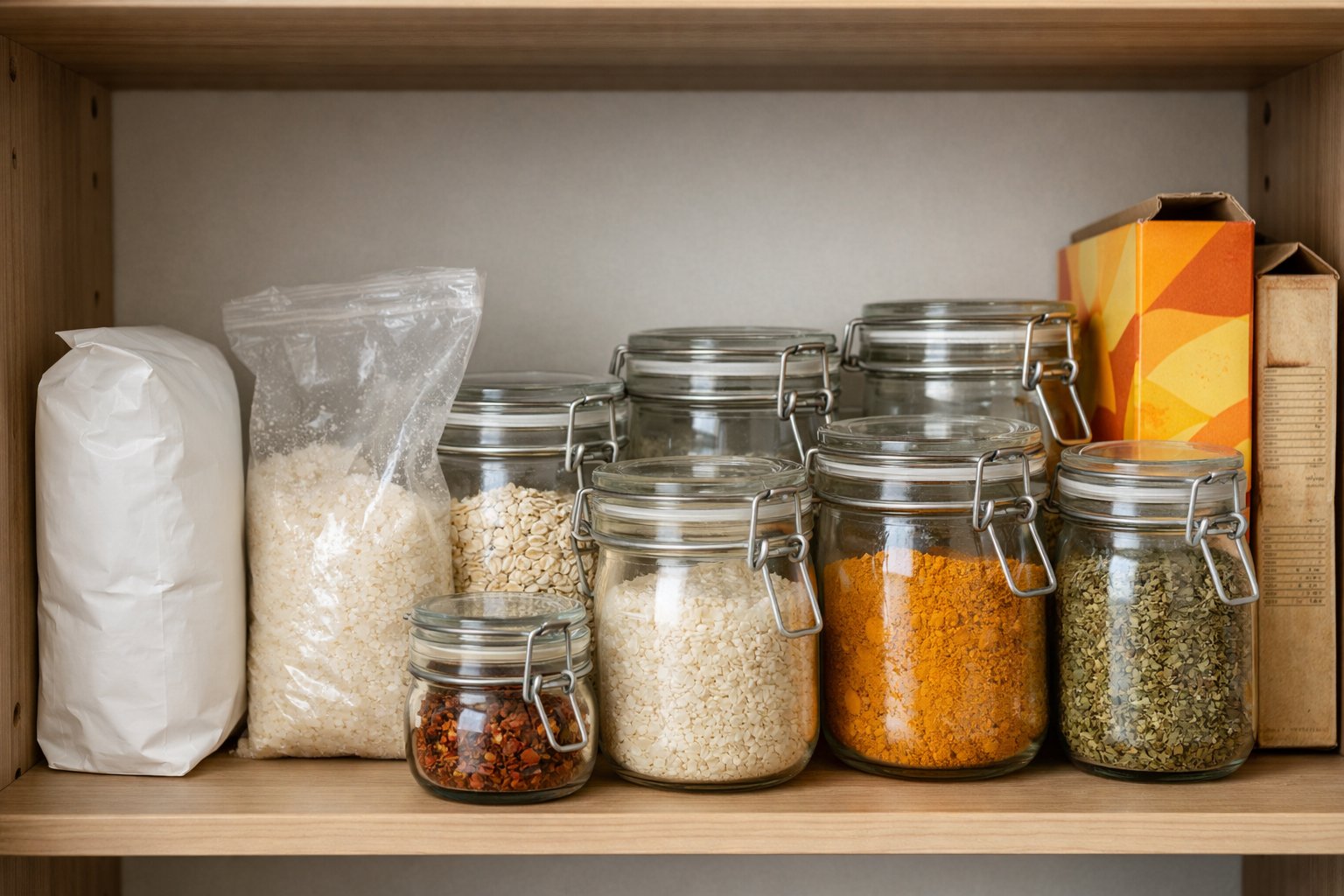
Transferring stuff to airtight containers right after opening helps a lot. Glass jars with good rubber seals or sturdy plastic with locking lids do the trick. Tossing in a food-safe desiccant packet with flour, spices, or brown sugar can buy you even more time.
Air and Oxygen Factors
Oxygen is sneaky. It kicks off oxidation, which messes with fats, oils, and flavors. Once you open a package, air gets in and starts the clock.
Cooking oils go bad faster than you think if they're left open. Whole grain flours spoil quickly, too, because their oils don't hold up. Nuts and seeds? They get that weird bitter taste as their fats break down.
Even dried goods like pasta and rice aren't immune. Surfaces get brittle and chalky. Spices lose their punch within months—those "good for years" labels can be a bit optimistic.
Air exposure especially affects:
- Vegetable and nut oils
- Whole wheat and specialty flours
- Coffee beans and ground coffee
- Dried fruits
- Opened spice containers
Light and Heat Impacts
Heat speeds up the chemical reactions that make food go stale. If you keep pantry items near the stove, dishwasher, or in the sun, they'll go downhill faster.
Light breaks down vitamins, colors, and flavors. Clear containers on open shelves look nice, but they let in too much light. Oils in clear bottles lose quality way faster than those in dark glass or metal.
Temperature swings cause condensation inside packages, which means more moisture. If your pantry heats up during the day and cools off at night, that's a recipe for spoilage. Try to keep pantries under 70°F and away from heat sources.
Spices lose flavor when stored in bright spots. Olive oil gets bitter if it sits near a window. Even canned goods can lose quality if they're stored somewhere that gets too hot.
Key Pantry Items Prone to Early Staleness
Some pantry staples are just more fragile than others. Their fat content, delicate flavors, or tendency to soak up moisture means you have to be a bit more careful if you want them to last.
Nuts, Seeds, and Rancidity
Nuts and seeds are loaded with unsaturated fats, which means they go rancid fast. Heat, light, or air will break down those fats, leaving you with that unmistakable bitter, almost paint-like taste.
Walnuts, pecans, and pine nuts spoil the quickest—blame all those polyunsaturated fats. Almonds and cashews do a little better, but still won't last long at room temp. Most of the time, you can smell rancidity before you taste it; there's a stale, chemical odor that gives it away.
Storage tips:
- Keep nuts in airtight containers in the fridge or freezer
- Buy smaller amounts you'll use within a few months
- Store away from light
Seeds like flax and chia are even more sensitive. Ground flaxseed, especially, can go off in just weeks at room temperature since grinding exposes more of it to air.
Flour and Grain Spoilage
Whole grain flours, with their bran and germ, have oils that turn quickly. All-purpose white flour lasts about a year, but whole wheat flour? Three months, tops, before it starts smelling musty or bitter.
Sometimes it's hard to tell if flour's gone bad—the changes are pretty subtle at first. Those natural oils break down slowly, messing up the flavor of your baking before you even realize it.
Flour spoilage risk factors:
- Moisture (clumping, mold)
- Temperature swings (condensation)
- Pests (weevils love flour)
Rice and oats have their issues, too. Brown rice, thanks to its oils, goes off in about six months. White rice can hang around for years. Steel-cut oats keep longer than quick oats because they're less exposed.
Spices and Loss of Potency
Ground spices lose their essential oils and flavor compounds way faster than whole spices. It's usually not a safety issue—old paprika won't hurt you—but after about six months, ground spices barely add flavor.
Heat and light make spices fade even faster. That's why storing them next to the stove or in clear jars on open shelves is a bad idea.
Potency timelines:
- Ground spices: 6 months to 1 year
- Whole spices: 2-3 years
- Dried herbs: 1-2 years
If you can't smell much when you open the container, don't expect much flavor. Clumping usually means moisture got in, which can lead to mold and more flavor loss.
Specific Issues: When Good Ingredients Go Bad
Even stuff you think will last forever can surprise you. Knowing how pantry staples fail helps you spot trouble before it ruins your meal.
Crystallized Honey
Ever opened a jar of honey and found it gritty and solid? That's just crystallization—not spoilage. Honey crystallizes when glucose separates from water, especially if it's cool or there's pollen in the mix.
Pure honey essentially never expires, but crystallization changes the texture. Some folks even prefer it that way for spreading. If you want it smooth again, just set the jar in warm (not boiling) water for 10-15 minutes.
The real headache is usability—rock-hard honey is tough to measure for baking. Keep honey sealed at room temp to slow down crystallization, but honestly, it'll happen eventually.
Expired Oils Like Authentic Extra Virgin Olive Oil
Real extra virgin olive oil goes rancid faster than most people realize. Even unopened, it's usually good for only 18-24 months from harvest (not from when you bought it). Once opened, you've got 3-6 months.
Rancid oil tastes bitter, smells like crayons or putty, and leaves a weird film in your mouth. Light, heat, and air speed up oxidation, which destroys the good stuff in EVOO. It's not just about taste—rancid oils can actually be unhealthy.
Check for a harvest date, not just "best by." Store opened bottles somewhere cool and dark, and buy smaller bottles you'll use up quickly. If it smells musty or tastes harsh, it's time to toss it.
Stale Crackers, Cereals, and Snacks
Crackers, cereal, and snacks soak up moisture from the air and go from crispy to limp in no time. Even resealable packages don't always keep humidity out.
Stale doesn't mean unsafe, but let's be honest: nobody wants soggy crackers or chewy cereal. Moisture's the main culprit—these foods naturally pull in water from the air.
Some ways to fight staleness:
- Move opened boxes to airtight containers right away
- Throw a food-safe desiccant packet in with them
- Keep pantry humidity below 60%
- Store away from heat
It's easy to blame yourself for not eating things fast enough, but usually, it's the storage that's letting you down. A few tweaks can keep snacks fresh much longer.
Why Pantry Storage Matters – Avoiding Early Expiry
How you store pantry staples really does decide whether they last or go stale early. The right containers and a good spot can mean the difference between a tasty snack and a disappointment.
Role of Airtight Containers
Airtight containers are your best friend. Leaving stuff in its original package after opening is basically letting air and moisture mess with your food.
Oxygen reacts with fats and oils in things like crackers, cereal, and nuts, creating off flavors and killing nutrients. Airtight containers slow this down by sealing everything up tight.
Moisture is just as bad. Even a little humidity can make chips limp and encourage mold. We've all opened a bag of chips to find they've lost their crunch.
Glass jars with solid seals or locking plastic containers work great. Move opened packages over right away—don't wait. Flour, sugar, pasta, and snacks especially benefit. Good containers aren't cheap, but they pay for themselves when your food stays fresh.
Temperature and Pantry Location
Where you stash your food matters as much as how you pack it. The sweet spot for pantry temp is somewhere between 50 and 70°F. Warmer than that, and things go stale or lose nutrients faster.
Keep food away from ovens, dishwashers, or sunny spots. That cabinet above the stove? Not doing you any favors. Heat makes oils go rancid and breaks down vitamins.
Humidity over 60% invites mold and clumping in stuff like salt, sugar, and powders. Basements can be too damp. A cheap thermometer and hygrometer let you keep tabs on things.
Dark is better than light for most pantry staples. Light breaks down nutrients and flavors, especially in spices, oils, and grains. If you can, pick cabinets or pantries without windows.
Practical Tips to Extend Freshness
If you shop smart and keep an eye on your pantry, you'll toss out way less stale food. It's a mix of buying what you'll use and storing it so it actually lasts until you need it.
Buying in Smaller Quantities
We've all eyed those giant bulk deals at warehouse stores, but honestly, buying a 10-pound bag of flour when you bake once a month? That's just asking for stale, clumpy regret. Smaller quantities let us use things up faster, so moisture and staleness don't have as much time to sneak in.
If you rarely use certain ingredients—specialty flours, nuts, oddball spices—grabbing the small package makes more sense, even if it costs a bit more per ounce. Saving a few bucks in bulk doesn't help if half the bag ends up stale before you get through it.
High-risk items to buy small:
- Whole grain flours (they go rancid shockingly fast)
- Ground spices (lose their punch in half a year)
- Crackers and cereals (soak up humidity like sponges)
- Brown rice (spoils faster than white rice, weirdly enough)
Splitting bulk hauls with friends or family is a decent workaround. You get the deal without being stuck with a mountain of food that might outlast its own flavor.
Best Practices for Rotation and Checks
"First in, first out" isn't just a grocery store thing—it's a pantry lifesaver. When new stuff comes home, shove the older items to the front so they're what you grab first.
A monthly pantry sweep does wonders. Check for clumpy sugar, funky-smelling flour, or limp cereal. If something feels off, it's probably not worth risking.
Quick check routine:
- Look for torn packaging or signs of pests
- Sniff flours and grains (musty? Toss it)
- Squeeze sugar and salt for clumps
- Sample a pinch of old spices—if they're bland, time to replace
Clear containers or just scribbling purchase dates on a label help track what’s been around the longest. That way, stuff doesn’t get lost in the back, only to be found when it’s way past its prime.
Popular Resources and Pantry Management Inspiration
Honestly, learning from the pros can make a huge difference in how we handle pantry chaos. Expert advice mixed with a few real-life tricks goes a long way toward keeping food fresh and waste down.
Trusted Guides Like FODMAP Everyday
Specialized sites like FODMAP Everyday? Surprisingly helpful even if you don’t care about digestive health. Their storage tips—like using the right containers and keeping go-to items handy—work for just about anyone.
They recommend sorting pantry goods by how often you use them and how quickly they spoil. Stuff with oils (flours, nuts, seeds) gets extra attention, since it can go bad before you know it. Labeling with purchase dates instead of just relying on expiry stamps is a smart move.
Their step-by-step approach makes it easier to figure out which foods need airtight containers and which can stay as they are. I like how they break down storage by food type, so you don’t have to guess what’s about to go stale.
Making the Most of Pantry Items
Keeping pantry staples fresh means setting up a rotation system and paying attention to storage. That first-in, first-out trick keeps older stuff from getting buried.
Temperature and humidity matter more than you’d think. We stash the most fragile foods—whole grain flours, nuts, dried fruit—in sealed containers far from the oven or dishwasher. Some things, like certain flours or seeds, last even longer in the fridge or freezer.
A quick inventory every so often helps you use things before they turn. Moving open packages into clear containers makes it easy to see what’s left and spot anything going south. Nothing worse than finding a box of crackers you forgot about, now stale beyond redemption.
Frequently Asked Questions
Pantry freshness isn't just about what's printed on the box. Storage, moisture, and a bit of common sense all play a part in keeping food from going bad too soon.
What's the real deal with expiration dates—do they guarantee freshness?
Expiration dates? They're more like guidelines. Manufacturers set them for peak quality, not as an exact spoilage date.
"Best by," "use by," and "sell by" all mean slightly different things, but usually they're about quality, not safety. So your pasta or crackers might taste a little off after that date, but they're rarely dangerous right away.
Humidity, heat, and air exposure can ruin food long before the date on the package. Store flour in a damp pantry and it'll smell funky in no time, but keep it cool and sealed and it can last well past the printed date.
Curious minds want to know: How can you extend the life of your pantry goods?
Controlling moisture and temperature is the secret. Ditch original packaging and use airtight containers to keep humidity out.
Toss in a food-safe desiccant and it'll soak up extra moisture—no more clumpy sugar or musty flour. Crackers stay crisp, and mold has a harder time getting started.
Try to keep the pantry below 70°F if you can. And always use the first-in, first-out method so nothing sits around too long.
Ever opened a snack to find it's lost its crunch? What's the secret to keeping pantry items crisp?
Moisture is the enemy of crunch. Even if you close the box, humidity can sneak in and make everything soggy.
Move opened snacks—cereal, crackers, chips—into airtight containers right away. Adding a desiccant packet keeps things crisp longer.
And where you store them matters. Keep snacks away from stoves, dishwashers, or anything that creates heat and steam.
Is it true that 'best by' is just a suggestion? Can food go bad before then?
Totally. "Best by" dates are about quality, not safety. But yep, food can spoil before that date if you don’t store it right.
High humidity makes flour moldy and smelly well before the package says it should. Dried pasta can crack or get buggy if it’s left in a damp spot.
If you don’t seal things tightly or your pantry gets hot and cold, stuff spoils faster than you'd expect.
Got munchies that lost their mojo? How can we avoid the tragedy of stale snacks?
To keep snacks fresh, seal them in airtight containers as soon as you open the bag. Tight lids keep humidity out.
Portioning snacks into smaller containers helps too—you’re not exposing the whole bag to air every time you want a handful.
A food-safe desiccant or a little uncooked rice in the container can help absorb moisture and keep things crisp. Just double-check that whatever you use won’t mess with the food itself.
Left guessing about the best way to store your grains and spices? What are the top tips for keeping them fresh?
Grains like rice, oatmeal, and quinoa really need some protection from humidity and pests. I usually toss them in airtight glass jars or BPA-free plastic containers and stash them somewhere cool and dry—makes a big difference.
Oatmeal, for example, loves to soak up moisture from the air. That’s why it can get clumpy or even moldy if you’re not careful. Sealing oatmeal up tight, maybe even with one of those little desiccant packets, keeps things fresh and bug-free.
Spices and herbs? They lose their punch fast if they’re hanging out in humid spots. I stick with small, airtight containers and keep them far away from the stove or any heat. Whole spices stick around a lot longer than ground ones, so honestly, it’s worth grabbing whole and grinding them when you need a burst of flavor.
Flour’s a bit tricky. It clumps up and gets musty if there’s any moisture. I always move flour into an airtight container right after buying it and might even throw in a desiccant. Oh, and a bay leaf in grain containers? Old trick, but it really does help keep pests away.
Share:
Why Mixing Different Ingredients in Storage Leads to Faster Spoilage
How Storage Placement Affects How Often Ingredients Are Used