

Check out our latest compact vacuum sealer for food collection!
Food storage reliability really boils down to three main things: the materials you pick, the environment you create, and how well you keep up with both over time. If you want food to stay fresh for months or even years, it’s not just about tossing stuff in a random container and crossing your fingers.
The most dependable storage systems use airtight barriers to keep out oxygen and moisture, maintain cool temperatures under 70°F, and get checked regularly so problems don’t sneak up on you.
We’ve all opened a container and found a soggy, moldy mess instead of what we expected. The gap between storage that works and storage that fails usually comes down to knowing what actually ruins food. Oxygen, temperature swings, humidity, and light, they’re all working against you, breaking down nutrients and making it easy for bacteria and pests to take over.
Luckily, you don’t need fancy gadgets or complicated tricks to build a solid long-term storage setup. Stick to vacuum sealing, use real food-grade containers with snug seals, and keep storage conditions steady. That’s how you keep your food stash safe and tasty for the long haul. Whether you’re prepping for emergencies, cutting grocery trips, or just want to waste less food, the right approach really does matter.
Key Takeaways
- Airtight containers, cool stable temps, and protection from light/humidity are the basics for long-term storage
- Mix-and-match methods—vacuum sealing, oxygen absorbers, good packaging—can stretch shelf life a lot
- Check your storage regularly to prevent spoilage and keep food safe and nutritious
Core Principles of Long-Term Food Freshness
Keeping food fresh for the long run means you have to manage the conditions that make it go bad and know which foods are naturally tougher. It’s about controlling moisture, oxygen, and light, and picking foods that don’t spoil easily.
Understanding Shelf Life and Food Spoilage
Shelf life is just how long food stays good and safe to eat. It varies a ton—rice and beans can last years, but fresh fruit? Maybe a week if you’re lucky.
Food spoils mainly because of microbes, enzymes, and chemical changes. Bacteria, mold, and yeast love warm, damp places, and they’ll break down your food fast. Enzymes keep working after harvest, changing texture and draining nutrients.
Oxygen causes fats and oils to go rancid, which ruins flavor and nutrition. You see this in nuts and whole grains—the oils spoil if you don’t store them right. And temperature? Every 10°F increase can double how fast food goes bad.
Critical Factors: Moisture, Oxygen, and Light
Moisture control is huge for dry goods. Most bacteria won’t grow unless water activity is above 0.85; mold needs above 0.70. Keep humidity under 15% for grains, beans, and dried stuff and you’ll get way better shelf life.
Oxygen exposure leads to oxidation, which is rough on fats, vitamins, and colors. Vacuum sealing or tossing in oxygen absorbers helps a lot—they keep out air, stop bacteria, and slow down spoilage.
Light exposure breaks down nutrients and fades colors. Vitamins A, C, and B2 can vanish if food sits in the light too long. Dark storage or using opaque containers helps keep food looking and tasting right.
Types of Foods Suitable for Long-Term Storage
You can split long-term storage foods into a few main groups based on how stable they are.
Grains and legumes are the backbone. White rice can last 30 years if you keep it dry, but brown rice only lasts about 6 months because of the oils. Dried beans, lentils, split peas—they can stick around for decades if you treat them right.
Protein sources take a bit more thought. Freeze-dried meats can last 25 years and still have most of their nutrition. Canned meats are good for 2-5 years, but they lose quality faster. Powdered eggs and milk are handy, with a shelf life of 10-15 years.
Preserved foods like honey (which pretty much lasts forever), salt, sugar, and well-dried herbs don’t spoil easily. Waxed hard cheeses, dehydrated veggies, and vacuum-sealed nuts can round out your storage, as long as you follow their specific rules.
Choosing the Best Storage Containers
The container you pick can mean the difference between food that lasts months and food that’s trash in a week. You’ve got to match the container to what you’re storing, whether it’s pantry basics or your emergency stash.
Airtight Containers and Lids
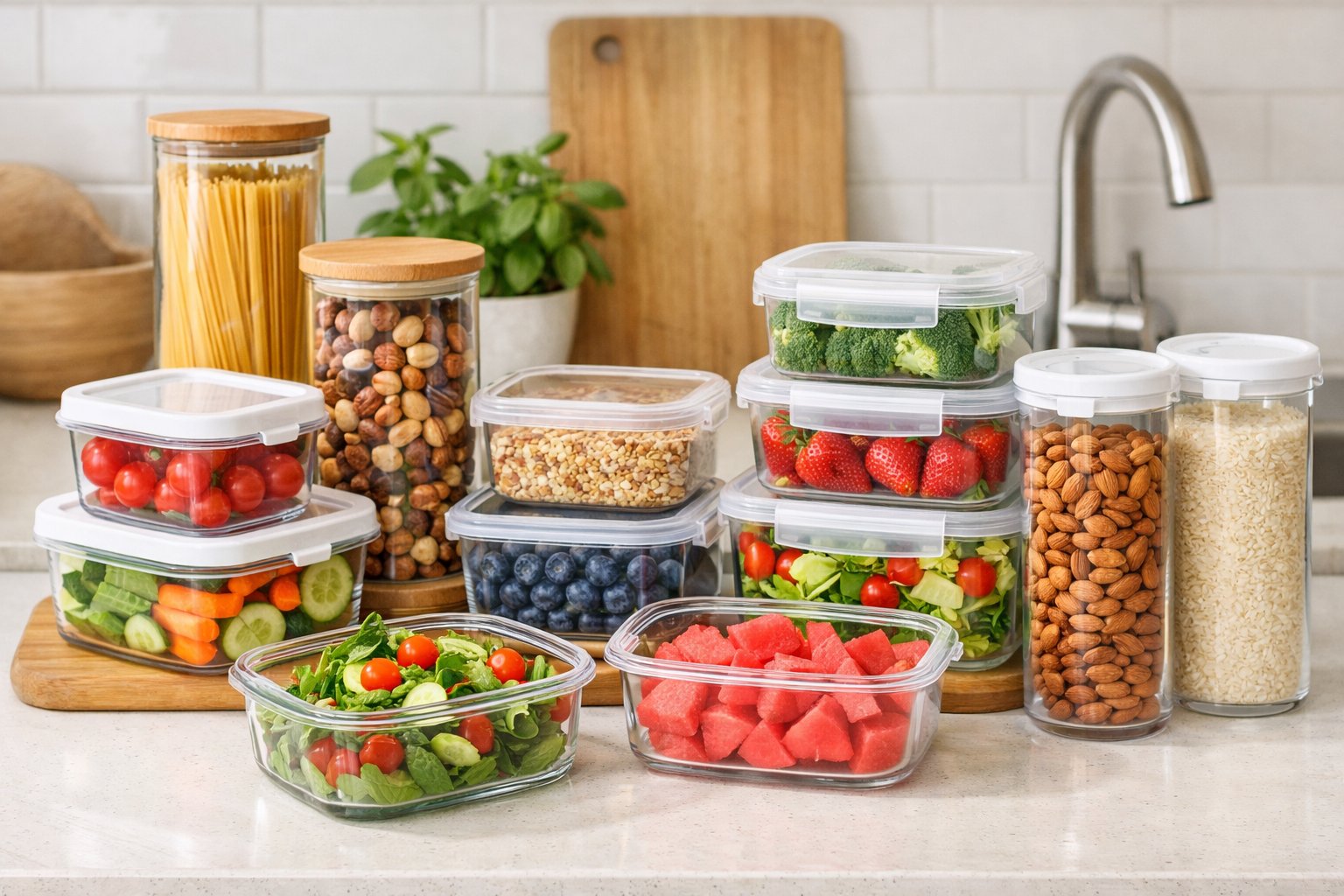
A good seal is critical, no way around it. Airtight containers keep moisture and oxygen out, which are the main things that make food stale or moldy.
When I’m picking out containers, I always check if the lid seals all the way around. Snap-lock lids are fine for everyday stuff, but for bulk storage, gamma lids on 5-gallon buckets are a game changer. They screw on and off easily and keep things airtight.
For pantry containers, I like square or rectangular ones. They use space better and stack neatly. Flour, sugar, rice—those all go in containers I open often.
The gasket or seal in the lid wears out eventually. If it gets brittle or stops sealing, I just replace the container—usually every 3 to 5 years, depending on use.
Glass Jars and BPA-Free Plastics
Glass jars are super versatile for medium-term storage. Mason jars are my go-to for things like powdered milk, dried herbs, spices, and small amounts of grains. Glass doesn’t hold onto smells or stains, and you can see what’s inside without opening anything.
Downside? Glass is heavy and breaks easily. I keep glass jars somewhere stable and don’t use them for stuff I need to move a lot.
BPA-free plastics are lighter and tough enough for daily use. I stick to food-safe, BPA-free labels since regular plastics can leach chemicals into food over time. These are great for leftovers, meal prep, and foods I go through quickly.
Temperature matters with plastic. I never microwave food in plastic unless it specifically says it’s microwave-safe, and I avoid putting hot food in plastic containers.
Mylar Bags and 5-Gallon Buckets
For serious long-term storage, nothing beats mylar bags inside food-grade buckets. This combo gives you layers of protection—mylar blocks light and oxygen, buckets keep out pests and moisture. Shelf life for rice, beans, and pasta can hit 20+ years.
I fill the mylar bags, drop in oxygen absorbers (amount depends on bag size), then seal them with an iron or hair straightener. After that, the bags go into 5-gallon buckets for extra protection.
I always label both the bag and the bucket with what’s inside and the date. It’s a pain to dig through buckets without labels, especially in an emergency. One 5-gallon bucket holds about 35 lbs of wheat, 33 lbs of white rice, or 37 lbs of dried beans.
Upfront costs are higher, but if you do the math, it’s just pennies per pound for bulk storage. I save this method for backup supplies and foods I won’t touch for ages.
Controlling Storage Environment for Maximum Freshness
Getting your storage environment right means balancing temperature, humidity, and organization. It’s not just about tossing stuff on a shelf—you’ve got to think about what each food needs.
Temperature Regulation and Storage Zones
Foods need different temps to stay fresh. The fridge should be 35°F to 40°F for most produce, dairy, and proteins. Freezers need to stay at 0°F or below to really stop bacteria and lock in quality.
But you can’t just set it and forget it. Fridges and freezers can drift, so check temps every so often. Potatoes and onions like it cooler but not cold—about 50°F to 60°F. Leafy greens do best in the coldest fridge spot.
I like to keep different foods in their ideal zones. The back of the fridge is coldest—good for milk and eggs. Door shelves are warmer, so I use those for condiments or preserved stuff.
Humidity Control and Dehumidifiers
Most fridges have humidity drawers, but honestly, a lot of us don’t use them right. High humidity (90-95%) is great for leafy greens, herbs, and veggies that wilt. Low humidity (65-75%) is better for fruits that give off ethylene or mold easily.
If your pantry is humid, a dehumidifier can be a lifesaver. If you see condensation, smell mustiness, or feel damp packaging, humidity’s too high. Try to keep it under 60% to avoid mold and keep dry foods crisp.
Sometimes, simple fixes help—don’t wash produce before storing, since extra water leads to mold. Silica gel packs in containers can also soak up extra moisture.
Organizing for Dry Storage and Moisture Prevention
Dry storage isn’t just about room temp. You have to guard against temp swings, humidity, and pests. Airtight containers are your first line of defense—they create a mini climate for each food.
Shelving matters, too. Keep dry goods at least six inches off the floor and away from walls for airflow and to avoid moisture from concrete. Metal or plastic shelves beat wood, which can soak up moisture and attract bugs.
Quick tips:
- Seal grains, flours, sugars in tight containers
- Store oils and temp-sensitive stuff away from heat
- Rotate stock—first in, first out
- Label containers with purchase dates
Storage spaces should ideally be 50°F to 70°F. If it gets hotter, oils go rancid and shelf life drops fast.
Innovative Preservation Methods and Technologies
Modern preservation tools can really stretch food freshness—vacuum sealing, freeze-drying, and smart containers go way beyond old-school storage. They let you control the environment, zap moisture, and even track what you have.
Vacuum Sealing and Oxygen Absorbers
Vacuum sealers suck air out of bags or containers, basically starving bacteria and slowing down oxidation. This can make food last three to five times longer than just tossing it in a regular bag.
You’ve got options: external vacuum sealers (good for most home use) or chamber sealers (better for liquids and delicate stuff). Chamber sealers are pricier but handle more jobs.
Oxygen absorbers are another tool—they soak up oxygen inside sealed containers using iron powder. This drops oxygen levels super low, which is perfect for dry goods like grains, flour, and dehydrated foods.
I like to use both together—vacuum sealing gets rid of most air, and oxygen absorbers mop up what’s left. This combo is gold for anything I want to store for months or even years.
Freeze-Drying and Dehydration Techniques
Freeze-drying pulls out up to 99% of moisture from foods, all while keeping their structure, nutrients, and real flavor. It works by freezing food at super low temps, then using a vacuum so ice skips the liquid stage and turns straight into vapor.
Freeze-dried fruits, veggies, meats, and even full meals keep their shape and bounce back fast when you add water. They're different from dehydrated foods—freeze-dried stuff holds onto almost all its nutrients. Vitamin C, for example, often sticks around above 90% in freeze-dried foods, but drops to 50-60% in regular dehydrated ones.
Home dehydrators give us a simpler way to preserve food, removing 90-95% of moisture with heated air. Sure, dehydration changes texture and loses some nutrients, but the gear's cheaper and uses less energy than freeze-drying.
Dehydration fits best for things like fruit, herbs, and jerky where a chewy or crisp texture is a plus. These foods need good sealing to block out moisture and air, but if you store them right, they’ll last a year or two. Freeze-dried foods, on the other hand, can stick around for 25 years or more if you keep them sealed and cool.
Smart Storage Containers and Inventory Management
Smart storage containers now come with sensors and wireless tech that track temperature, humidity, and how fresh your food is in real time. They’ll ping your phone if things get too warm, too damp, or if something’s about to expire.
Some smart fridges push it even further—they’ve got cameras inside, barcode scanners, and inventory systems that keep tabs on what you’ve got and when you put it in. They’ll even suggest recipes based on what’s left and warn you if anything’s close to going bad.
Home inventory apps let us track where we stash food, how much we have, and when it’s time to use or restock. Scanning items as we store them helps us avoid losing stuff in the back of the freezer or pantry.
Food storage tech is moving fast. There are vacuum sealers that sync with apps, so you know when you sealed each bag and get reminders before anything spoils. Some containers have built-in vacuum pumps that kick in if air leaks in. These upgrades help cut down waste and make it way easier to know what’s on hand and what needs eating soon.
Best Practices for Food Safety and Longevity
Keeping food safe and making it last comes down to three big things: keep your containers and storage spots clean, track what you store and when, and manage your stash with a plan that fits your habits.
Cleaning and Sanitation Habits
Honestly, cleaning is everything when it comes to food safety. If you don’t scrub containers between uses, you’re just asking for bacteria, mold, and all sorts of nasties to move in and ruin your food.
For reusable containers, here’s what actually works:
- Wash right after emptying with hot, soapy water
- Sanitize with a food-safe mix (a tablespoon of bleach per gallon of water is solid)
- Let them air dry fully—don’t rush this or you’ll get mold
- Check for cracks, weird stains, or lingering smells that mean it’s time to toss and replace
Stainless steel handles heavy cleaning better than plastic. We’ve noticed it stands up to high heat and doesn’t leach anything into your food.
Don’t forget your shelves. Wipe them down at least weekly, vacuum up stray grains, and look for pests. A clean space seriously cuts down on food going bad before its time.
Labeling and Rotating Stored Foods
Even the fanciest containers are useless if you forget what’s in them or how old it is. Labeling and tracking actually save money and keep you safe.
We write on every container:
- What’s inside (not just “flour”—write “all-purpose flour”)
- Date stored (when you packed or opened it)
- Expiration or best-by date (if it has one)
Using the FIFO (first in, first out) method means older stuff always gets used first. We put newer things behind the old, so you naturally grab the oldest first.
For big bulk storage—like those massive 55-gallon barrels—we keep a log with purchase dates, amounts, and how fast we use it. It’s the only way to know what’s running low and what’s about to expire.
Monitoring Shelf Life and Food Storage Plans
A real food storage plan turns random stashing into a system that actually works. We treat our food storage like a living thing—it needs checking in on.
Our routine looks like this:
- Check everything monthly for spoilage or damage
- Take temperature readings—aim for cool and steady
- Watch humidity, especially for grains and flours
- Note any patterns of spoilage so we can tweak our approach
Different foods need different care. Airtight containers keep dry goods good for years, but even frozen foods lose quality over time. Knowing these timelines helps us rotate things out before they go downhill.
Planning means figuring out how much of each item you need, where it should go, and how often to check it. We keep everyday stuff in smaller, easy-to-grab containers, and bulk items in bigger bins that we open less often. That way, we’re not letting air or warm temps into the big stash every day.
Top Foods and Ingredients Suited for Reliable Long-Term Storage
White rice, dried beans, and canned proteins are our go-tos for building a stash that actually lasts. They’re shelf-stable champs: low moisture, little fat, and tough against bacteria or mold.
Grains and Dry Goods: Rice, Oats, Beans, and Lentils
White rice is king—it’ll last 30 years or more if you keep it dry and pest-free. We skip brown rice for long-term since its oils make it spoil in less than a year.
Rolled oats are super versatile and last 10-15 years if sealed right. Steel-cut oats keep even longer, but they take more time and water to cook.
Dried beans and lentils are protein heroes. Most types last 20-30 years if you store them airtight with oxygen absorbers. Lentils cook faster than beans, handy if you’re short on fuel. Black beans, pintos, navy beans—they all store well.
Quinoa’s shelf life is shorter (8-10 years), but it’s a complete protein and worth keeping in smaller, rotating batches.
| Grain Type | Storage Duration | Key Benefit |
|---|---|---|
| White Rice | 30+ years | Versatile base for meals |
| Rolled Oats | 10-15 years | Quick cooking, nutritious |
| Dried Beans | 20-30 years | High protein content |
| Lentils | 20-30 years | Fast cooking time |
| Quinoa | 8-10 years | Complete protein source |
Canned, Dried, and Freeze-Dried Proteins
Canned meats from the store last 3-5 years. We keep chicken, tuna, salmon, and beef in rotation. Home pressure canning lets us preserve fresh meat for 1-2 years—just follow safety rules.
Jerky is a portable protein that lasts 1-2 years if vacuum-sealed. We make ours from lean cuts since fat shortens shelf life.
Freeze-dried proteins last the longest—25 years or more. Think beef, chicken, and powdered eggs. They’re super light and don’t take up much space.
Fermented proteins like dried sausages last months without a fridge. We also keep sauerkraut for a probiotic boost, though it needs cool storage to last.
Protein powders, if sealed tight, last 2-5 years. We like whey isolate and pea protein for their stability and full amino acid profiles.
Fruits, Vegetables, and Specialty Foods
Freeze-dried fruits hold their nutrients for 25 years or more and rehydrate fast. We stock strawberries, blueberries, and apples—they’re good for snacking or cooking.
Canned veggies last 3-5 years straight off the shelf. Tomatoes, green beans, and corn are our mainstays. Home canning with a pressure canner lets us save fresh produce for 1-2 years.
Dried fruits last 1-5 years, depending on how you package them. Raisins, dates, and apricots give us natural sweetness and nutrients. We move bulk dried fruit to mylar bags to stretch their shelf life.
Potato flakes last 15-20 years and are quick to make. We use them for carbs and thickening soups. Freeze-dried veggies like peas, carrots, and peppers keep their texture better than dehydrated ones and last 25+ years if sealed right.
Fermenting veggies like sauerkraut stretches their storage life and gives us gut-friendly bacteria—great during stressful times.
Sustainable and Eco-Friendly Food Storage Habits
Sustainable storage habits don’t just keep food fresh—they cut down on waste and help the planet, too. Swapping out disposables for reusables and changing up your routine can make a bigger difference than you’d think.
Reusable Bags and Containers
Switching to glass and stainless steel containers totally changed how we store food. Glass seals in freshness, making produce last 30-40% longer than plastic. That means fewer trips to the store and less tossing out spoiled food.
Silicone bags are flexible for freezing or marinating and replace a ton of single-use plastic. Start with lunch boxes and leftovers, then move on to pantry staples. Beeswax wraps are great for cheese and veggies, though we don’t use them with raw meat.
Durability matters—a good glass container can last a decade, while plastic usually needs replacing every year or two. We look for BPA-free or bamboo lids that keep things airtight and safe.
Reducing Food Waste Responsibilities
How we store food directly affects how much we waste. Keeping foods in the right fridge zones helps a lot. Ready-to-eat stuff goes up top (37-40°F), dairy in the middle (35-38°F), and raw meat at the very bottom (33-36°F).
Labeling keeps us honest. We date everything with washable markers and stick to first-in, first-out. Every few days, we do a quick inventory to catch anything that’s close to expiring.
Moisture control is huge. We dry produce before storing it, since extra water speeds up spoilage. Cloth produce bags let veggies breathe and replace plastic bags for good.
Frequently Asked Questions
The way we store food—containers, methods, and conditions—makes or breaks how long it stays fresh. The right combo of temperature, material, and environment can mean the difference between food lasting days or spoiling overnight.
How do certain containers keep your leafy greens crisp and party-ready even after a week?
The best containers for leafy greens balance moisture and airflow. You want something that lets condensation drain away but keeps enough humidity to stop wilting.
Containers with vents or raised racks help water drip away from the leaves, so they don’t get slimy. Lining the bottom with paper towels or a cloth soaks up extra moisture but still keeps humidity high.
Temperature matters, too. If you keep greens at 32-36°F in a good container, you can stretch freshness from just a few days to over a week.
In the quest for peak pantry efficiency, what materials reign supreme for combating food spoilage?
Glass is hard to beat for pantry storage—it doesn’t hold onto smells or leach anything into your food. Airtight glass keeps out air and moisture, the main spoilers.
Food-grade stainless steel is great for dry goods and lasts basically forever. Unlike plastic, it doesn’t break down or lose its seal.
BPA-free plastic is fine for short-term and is lighter to carry. Just make sure it’s food-safe and seals tightly.
Vacuum-sealed bags take out all the air, which slows down spoilage and oxidation. They’re perfect for things like flour, nuts, and dried fruit you want to keep for months.
When it comes to gadgets that guarantee gourmet goods, what features should foodies look for?
Adjustable temperature controls are clutch—you can set the right temp for each food. Some foods need it cold, others don’t, so flexibility helps.
Vacuum sealers with variable speeds are a must. They won’t crush delicate foods but still get the air out. Look for ones that handle both dry and moist foods.
Humidity indicators built into containers save you from guessing. They’ll flag you if things get too damp or too dry before food suffers.
Clear containers or see-through lids make it easy to spot what’s inside without opening them up and letting in air or moisture. That little detail goes a long way.
Could you spill the beans on the best tricks for keeping your spices sprightly and flavorful long-term?
Whole spices just last longer—simple as that. Less surface area means less exposure to air and light, so their flavor hangs around. I always reach for whole spices and grind them fresh; it’s a bit of extra effort, but the difference is obvious.
Dark glass containers, like amber or cobalt blue, actually do a much better job than clear ones. They block out light, which helps keep those essential oils from breaking down. I mean, who wants faded, lifeless spices?
Keep your spices away from heat—don’t shove them above the stove, tempting as that shelf might be. Heat speeds up the loss of flavor and aroma, so a cool spot is the way to go.
Airtight containers are non-negotiable. Moisture sneaks in otherwise, and then you get clumpy, sad spices or even mold. I try to check the seals now and then; if a lid’s not tight, it’s time for a replacement.
If you stash spices somewhere cool and dry, you’re looking at up to 2-3 years for whole spices. Ground ones? Maybe 1-2 years if you’re lucky and a bit diligent.
Might you share the secrets to ensuring your homemade preserves stay as delightful as the day they were jarred?
Sterilizing jars is a must. I boil them and their lids for at least 10 minutes—no shortcuts here. That way, you’re not giving bacteria or mold a fighting chance.
Headspace actually matters more than most folks think. Usually, about 1/4 inch between the preserves and the lid does the trick for a good vacuum seal. It’s a little detail, but it makes all the difference.
Processing jars in a water bath or pressure canner is another step you can’t skip. Stick to recipes that have been tested, and make sure the center gets hot enough to kill off anything unwanted.
Cool, dark storage keeps preserves tasting and looking good. Light and heat just zap the flavor and color, so I tuck my jars away in a pantry or cupboard.
Before putting jars away, I always check the seals. If the lid’s firm and doesn’t click or flex, you’re golden. If not, well, better to catch it now than find a spoiled jar later.
Why does the consistency in temperature matter when aiming to maintain your market-fresh munchies?
When temperatures jump around, fresh produce starts to respire faster. Basically, fruits and veggies burn through their nutrients and sugars more quickly the warmer they get.
Condensation is another issue. Every time warm air hits a cold surface, you get extra moisture. That dampness? Mold and bacteria love it, and they’ll go after your produce in no time.
You can really notice this with berries and leafy greens. Leave them out for a bit, then pop them back in the fridge, and suddenly there’s a bunch of moisture. Before you know it, they’re already starting to break down.
Keeping things steady—ideally between 32-40°F for most produce—slows all that metabolic activity way down. It’s almost like hitting pause, so your food lasts a lot longer.
Root veggies and tubers are a bit picky too. They want cool, stable temps. Even a slight increase can make them start sprouting, which isn’t great for storage or nutrition.
Share:
How to Maintain Ingredient Freshness During Weekly Meal Prep
Why Storing Ingredients Separately Improves Cooking Results