

Check out our latest compact vacuum sealer for food collection!
Storing ingredients separately isn't just about keeping a tidy kitchen, it really does make a difference in how your food cooks and tastes. When you keep things in their own containers, at the right temp and humidity, they hold onto their natural texture, moisture, and flavor. That means recipes actually work the way you expect. We've all grabbed veggies that turned slimy or found chicken that's dried out in the fridge. Usually, that's a storage issue you could've avoided.
When you keep raw proteins, fresh produce, and dry goods in separate, properly sealed containers, each ingredient stays in good shape and acts predictably in the pan. That chicken breast on the bottom shelf won't drip onto your salad greens, flour stays dry and lump-free, and herbs don't wilt just because they sat next to apples. The result? Better browning, more reliable cook times, and flavors that don't pick up weird notes from whatever was next to them.
When you store ingredients right, you're in control. No more guessing if that zucchini will flood your stir-fry or wondering why your bread tastes faintly like last night's fish. When everything's kept how it should be, it shows up ready for the recipe.
Key Takeaways
- Separate storage keeps each ingredient at its ideal temp and humidity, stopping spoilage and cross-contamination
- Good separation means cooking results you can count on—texture, moisture, and flavor stay as they should
- Airtight containers and organized storage zones cut down on food waste and make meal prep smoother
How Separate Storage Enhances Cooking Results
When you give ingredients their own space, you set yourself up for more consistent cooking and tastier food. Each ingredient keeps its intended texture and flavor, so your recipes actually turn out the way you wanted.
Consistency in Cooking
Separate containers give you real control over how things behave in the pan. Store chicken breast sealed and away from wet veggies, and it browns instead of steaming. That dry surface is what you need for caramelization and real flavor.
Temperature matters, too. Raw proteins on the bottom fridge shelf at 40°F cook at a predictable rate because they're not next to warmer stuff. You know how long that pork chop needs because its starting temp hasn't changed.
How separation affects cooking behavior:
| Ingredient Type | Separated Storage | Mixed Storage |
|---|---|---|
| Proteins | Even browning, predictable cook times | Steaming, uneven heat transfer |
| Vegetables | Crisp texture, consistent water release | Soggy, unpredictable moisture |
| Baking ingredients | Accurate measurements, reliable rise | Clumping, inconsistent results |
Flour in its own airtight container—not shoved in the fridge—measures the same every time. No clumps, no weird absorption. Your baked goods rise because your ingredients actually match the recipe.
Boosting Ingredient Freshness
Fresh ingredients cook better when their cells are still intact. Give veggies their own high-humidity drawer and they release moisture at a steady, predictable rate—not all at once into your pan.
Some containers are made for specific foods and really do help. Leafy greens in a vented, sealed box stay crisp for nearly a week instead of wilting in two days. When you go to sauté spinach, it cooks down evenly and doesn't flood the pan.
Herbs stored away from apples or bananas keep their oils and flavor. Basil next to apples wilts by morning, but basil in its own box stays bright. You'll taste the difference—sharp and fresh, not faded.
Dry goods like rice and pasta need to stay away from moisture, period. If they start out with the right moisture, they soak up just the right amount of liquid when you cook. No mushy pasta or gummy rice.
Food Safety Basics: Preventing Hazards in Your Kitchen
Food safety keeps you from getting sick and protects your ingredients, too. The basics? Know the risks and handle things in a way that keeps raw and cooked foods apart.
Understanding Foodborne Illnesses
Foodborne illnesses happen when you eat food contaminated with bacteria, viruses, or parasites. Salmonella, E. coli, and Listeria show up when food sits between 40°F and 140°F for too long.
You can't see or smell these bugs. They multiply fast on surfaces, utensils, and hands, spreading when raw ingredients touch ready-to-eat foods. Raw meat, poultry, seafood, and unwashed produce are the usual suspects.
Symptoms can show up in hours or days—anything from an upset stomach to serious dehydration. Kids, pregnant women, older adults, and anyone with a weak immune system are especially at risk.
Safe Food Handling Tips
There are four big rules: clean, separate, cook, and chill. Wash your hands with soap for at least 20 seconds before and during food prep.
To prevent cross-contamination, use separate cutting boards and knives for raw meats. Never put cooked food back on a plate that held raw stuff unless you've washed it. Store raw meats on the bottom fridge shelf so juices can't drip onto anything else.
Keep your fridge at 40°F or lower, freezer at 0°F. Put leftovers away within two hours (one hour if it's hot in your kitchen).
Always separate raw and cooked foods in storage, using sealed containers or wrapping. This keeps juices and particles from contaminating other ingredients and helps everything stay safe and tasty.
The Power of Airtight Containers and Storage Solutions
Good containers act as a barrier, keeping ingredients fresh and your kitchen less chaotic. Seal out air and moisture, and you stop oxidation and contamination that mess with flavor and texture.
Benefits of Airtight Containers
Airtight containers keep oxygen away from your food. That matters because oxidation turns oils rancid, makes herbs bland, and lets baked goods go stale. The seal keeps moisture out of flour, sugar, and spices, so they don't clump or mold.
Airtight containers also help keep things at a steady temperature. Move pantry staples out of flimsy bags and into proper containers, and you extend their shelf life by weeks or even months. Coffee beans stay fragrant, nuts stay crunchy, and pasta doesn't get weird. Plus, a good seal keeps out pests and stops flavors from crossing over—nobody wants garlic-tinted cocoa powder.
Organizing Storage for Various Ingredients
Different foods need different containers. Glass containers work well for stuff you use all the time, since you can see what's inside. For flour, sugar, and grains, bigger airtight containers (2–5 quarts) keep things fresh and easy to grab.
Smaller containers are perfect for spices, dried herbs, or things like nutritional yeast. Label everything with the contents and the date. Stackable containers save space. For things like nuts and whole grain flours, airtight containers in the fridge or freezer keep them from going rancid and help them hold onto their flavor.
Smart Ingredient Separation for Specific Foods
Not all foods play by the same rules. Raw proteins need strict separation to avoid contamination, dried goods need protection from humidity, and delicate herbs and oils need careful temp control to keep their flavor.
Raw Proteins: Poultry, Eggs, and Seafood
Raw poultry is the biggest contamination risk. Always store chicken and turkey on the bottom shelf in leak-proof containers, never above food you'll eat raw. Even a tiny drip can spread salmonella.
Eggs seem sturdy, but their shells let in smells. Keep them in their carton on a middle shelf, not the door where temps swing. The carton shields them from picking up weird odors.
Seafood's even touchier than poultry. Store it in a sealed container on ice, lowest shelf. Keep raw fish away from shellfish—they carry different bacteria. Use seafood within a day or two, and never let it drip onto veggies or cooked food.
Raw Protein Storage Priorities:
- Poultry and seafood always on the bottom shelf
- Separate containers for different proteins
- Eggs in their carton, away from strong smells
- Use within 1–2 days
Whole Grains, Beans, and Pulses
Whole grains like brown rice have more oils, which means they go rancid if you don't store them right. Keep them in airtight containers in a cool, dark spot—away from the stove or heat. If they get warm, those oils turn bitter.
Beans and pulses might seem tough, but humidity ruins them. Moisture causes clumping and mold. Store dried beans in sealed containers in the pantry, away from the sink or dishwasher where steam builds up.
Once you cook beans or grains, refrigerate them within two hours. Keep them in separate containers from raw stuff, and don't mix cooked and uncooked in the same box. Cooked grains release moisture as they cool, so vented lids help. Label with dates—cooked grains last only 3–4 days in the fridge.
Herbs, Spices, and Oils
Fresh herbs wilt fast if you store them with ethylene-producing produce or in spots with bad humidity. Keep delicate herbs like basil and cilantro in a jar with water on the counter, away from fruit. Sturdier herbs like rosemary and thyme go in the fridge, wrapped in barely damp paper towels inside a container.
Dried herbs and spices lose their punch when exposed to heat, light, or moisture. Store them in a cool cabinet away from the stove—not in those racks next to the burners. Ground spices fade after about six months, while whole spices last a year or two.
Oils need darkness and cool temps to avoid going rancid. Don't keep olive oil by the stove or in clear bottles on the counter. Light and heat break down good stuff in oil and make it taste off. Keep it sealed in a dark cupboard, and once opened, use it up in 2–3 months for best flavor.
Reducing Food Waste and Maximizing Freshness
Storing things separately helps cut waste because each ingredient gets what it needs—and a few good habits keep food good longer, so you aren't tossing mystery containers from the back of the fridge.
Strategies to Reduce Food Waste
We waste about a third of our food, and most of that happens at home because ingredients go bad before we use them. Separate storage helps because each food gets the conditions it needs instead of everything fighting for space in a packed fridge or pantry.
Simple ways to waste less:
- Store fruits and veggies apart—apples and bananas make veggies spoil faster
- Keep raw proteins sealed on the bottom shelf so leaks don't ruin produce
- Use clear, labeled containers so you remember what you bought
- Rotate food with a first-in, first-out system
When you organize by expiration date and keep older stuff up front, you actually use things before they turn. Keeping cooked leftovers away from raw stuff means you aren't rummaging and exposing food to temperature swings every time you open the fridge. Less spoilage means fewer grocery runs and a bit more cash in your pocket.
Extending Shelf Life
Foods all have their own timelines, and keeping them apart really stops the quickest-spoiling items from ruining the rest. Fresh herbs hang on for 3-5 days solo, but wilt way faster if they're next to moisture-heavy produce. Bread? It'll stay soft for days in a sealed bag, but if you toss it in the fridge, it goes stale and starts to taste like whatever else is in there.
Storage times when ingredients are separated properly:
| Ingredient | Shelf Life (Separated) | Poor Storage Effect |
|---|---|---|
| Leafy greens | 5-7 days | Wilt in 1-2 days if exposed to moisture |
| Raw chicken | 1-2 days (fridge) | Spreads bacteria if uncovered |
| Flour | 6-8 months | Clumps and loses potency near humidity |
| Fresh herbs | 3-5 days | Wilt overnight near ethylene sources |
Airtight containers actually make a difference—they keep moisture and odors where they belong. Leafy greens like high humidity (90-95%) in crisper drawers, but pantry staples need things dry. When we control these environments separately, ingredients just last longer and behave the way recipes expect.
Maintaining Kitchen Organization and Flow
A well-organized kitchen doesn't just happen. We need habits that keep ingredients where we can find them and help us move smoothly, which really affects how we cook and keep things safe.
Efficient Cooking with Smart Storage
Honestly, putting ingredients in their own zones changes everything. When oils and vinegars are near the stove, there's no running around during sautéing or deglazing. Spices should be right by the prep area—not scattered everywhere.
Temperature-sensitive stuff needs its own plan. We keep dairy on the upper fridge shelves—those stay coldest. Meats go low, always, to keep any drips from contaminating other foods.
Clear, airtight containers are a lifesaver. Not only do they keep dry goods fresh, but a quick glance shows us what we've got. We slap labels and dates on everything, which means no more discovering ancient flour halfway through baking. Stackable containers actually free up a ton of space, so we don't need a bigger kitchen—just smarter storage.
Tips for Prep Readiness
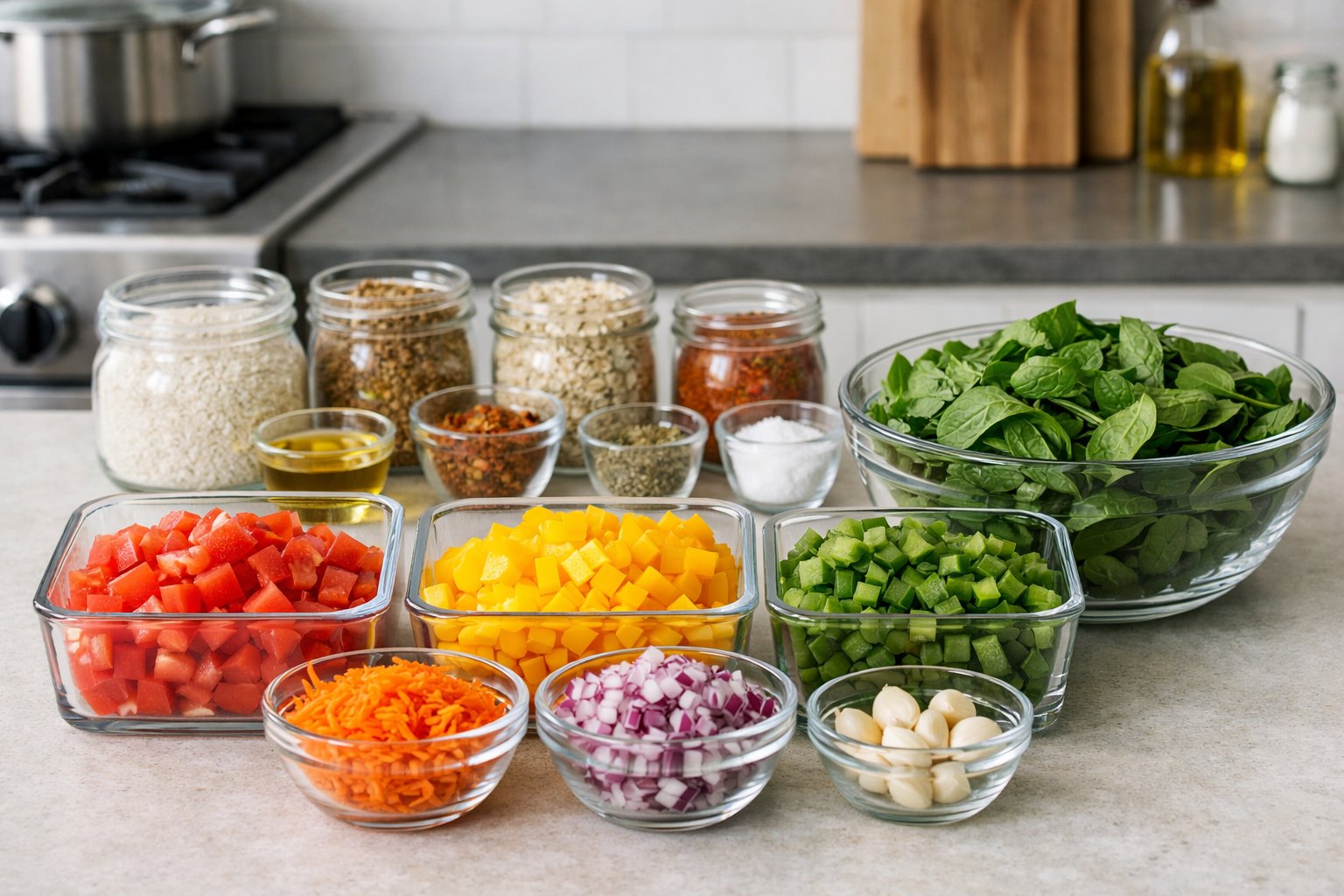
We make things easier by setting up ingredients before cooking. It's a classic pro move: wash and chop veggies ahead, stash them in sealed containers, and suddenly dinner comes together in a flash. Pre-portioned garlic or diced onions? Total game-changer for quick recipes.
One afternoon a week, we do some batch prep—washing herbs, portioning proteins, pre-measuring the basics. It saves a lot of stress on busy nights. Small glass containers work best for these, since you can see what's inside and nothing gets lost.
We keep our main tools where we actually use them. Cutting boards live by the sink for a quick rinse. Measuring cups hang near the baking area. Setting things up this way just makes cooking feel smoother, not like a juggling act.
Frequently Asked Questions
Ingredient separation affects cooking in a bunch of ways, from keeping flavors clean to stopping moisture from ruining everything. Knowing these storage tricks helps us keep ingredients at their best and makes kitchen life way easier.
How does strategic ingredient partitioning enhance the quality of my culinary creations?
Storing ingredients separately keeps them from messing with each other's taste and texture. If you put onions near apples, for example, ethylene gas can sneak over and change the fruit's flavor. Nobody wants oniony apples.
Temperature matters, too. Dairy likes it cold—32°F to 38°F—while tomatoes are just happier at room temp. When each ingredient gets its own ideal spot, dishes come out tasting the way they're supposed to.
Separation also keeps fragile things safe. Soft herbs bruise if they're shoved in with heavy veggies, and then they go downhill fast.
What's the scoop on segregating perishables to maintain their peak freshness?
Every perishable has its own quirks. Leafy greens need high humidity to stay crisp, but mushrooms want it dry or they'll get slimy.
Grouping perishables by their humidity needs works wonders. Lettuce and berries don’t mix—extra moisture from greens can make fruit moldy before you know it.
Ethylene-producing fruits like bananas and avocados need to steer clear of carrots and broccoli, which are sensitive to that gas. Keeping them apart slows ripening and keeps everything fresher, longer.
Can you spill the beans on why keeping spices apart from oils is a game-changer for flavor integrity?
Spices lose their punch if they hang out with oils too soon. Oils can sneak into spice containers via vapor, causing oxidation that dulls the flavors.
Oils and spices also react differently to heat and light. Oils go rancid if they're not in a cool, dark spot. Spices need dry, airtight homes to keep their essential oils. Mixing storage just makes both worse.
Even with sealed containers, flavors can drift. Suddenly, your spices all taste vaguely oily, and recipes lose their sharpness.
Let's dish: how do smart compartmentalization tactics prevent cross-contamination chaos in the kitchen?
Raw proteins stay in their own zone—no exceptions. We put meat, poultry, and seafood on the lowest fridge shelf, so nothing drips onto other foods.
Strong flavors like garlic and fish get their own tightly sealed containers. Otherwise, their aromas seep into nearby foods, and you end up with fishy butter or garlicky berries. No thanks.
For allergens, we use dedicated, clearly labeled containers for nuts, dairy, and gluten items. It's the only way to keep things safe for everyone.
Is it true that meticulous separation of produce types can prolong their shelf life and zest?
Climacteric fruits (the ones that keep ripening after picking) pump out ethylene gas, which makes nearby produce age faster. We keep bananas, peaches, and pears away from greens and cucumbers.
Root veggies want totally different conditions than leafy greens. Potatoes and onions like it dark, cool, and dry, while greens need fridge humidity. Mixing them up just means everything spoils faster.
Berries are super delicate, too much moisture or getting squished by heavier fruits, and they mold in no time. We keep them in single layers with airflow, far from anything that could crush them.
What are the insider tips on organizing pantry staples to make sure my next masterpiece is a breeze?
Honestly, I like to group dry goods by how often I reach for them and what they're used for. The stuff I grab all the time? That goes right at eye level, in containers that actually seal (and yes, I label them, but sometimes with just a marker if I’m in a rush). Airtight containers are a lifesaver, they keep flour from picking up weird smells from coffee or tea nearby. Nothing worse than a faintly mocha-flavored cake when you didn’t ask for one.
Here’s something I learned the hard way: grains need their own space. Rice, quinoa, oats, they all have their quirks with moisture. If you throw them together, you’ll probably end up with clumps or stale bits faster than you’d expect. So, I stash each one on its own shelf or bin.
And baking powder? Baking soda? I treat those like little divas. They absolutely hate moisture, so I keep them in tightly closed containers, far from any steamy spots. If you want your cookies to rise (and who doesn’t?), don’t let these guys hang out near the kettle or dishwasher.
Share:
What Makes Some Storage Systems More Reliable for Long-Term Freshness
Why Proper Sealing Improves Both Safety and Taste