

Check out our latest collection of compact vacuum sealer for food!
Prepared meals are only as fresh as the way you store them. Even a well-cooked meal can spoil faster, lose texture, or develop off flavors when small cold storage mistakes go unnoticed. The most common issues often come from incorrect temperatures, poor sealing, overcrowded fridge space, missing labels, or waiting too long before chilling food.
The main mistakes that shorten the shelf life of prepared meals are storing food at the wrong temperatures, using the wrong containers, crowding the fridge or freezer, not labeling items with dates, and letting food sit out too long before chilling. These slip-ups can affect safety, freshness, flavor, and texture.
In this guide, you’ll learn the most common cold storage mistakes and how to avoid them so your prepared meals stay fresher, safer, and easier to manage.
Key Takeaways
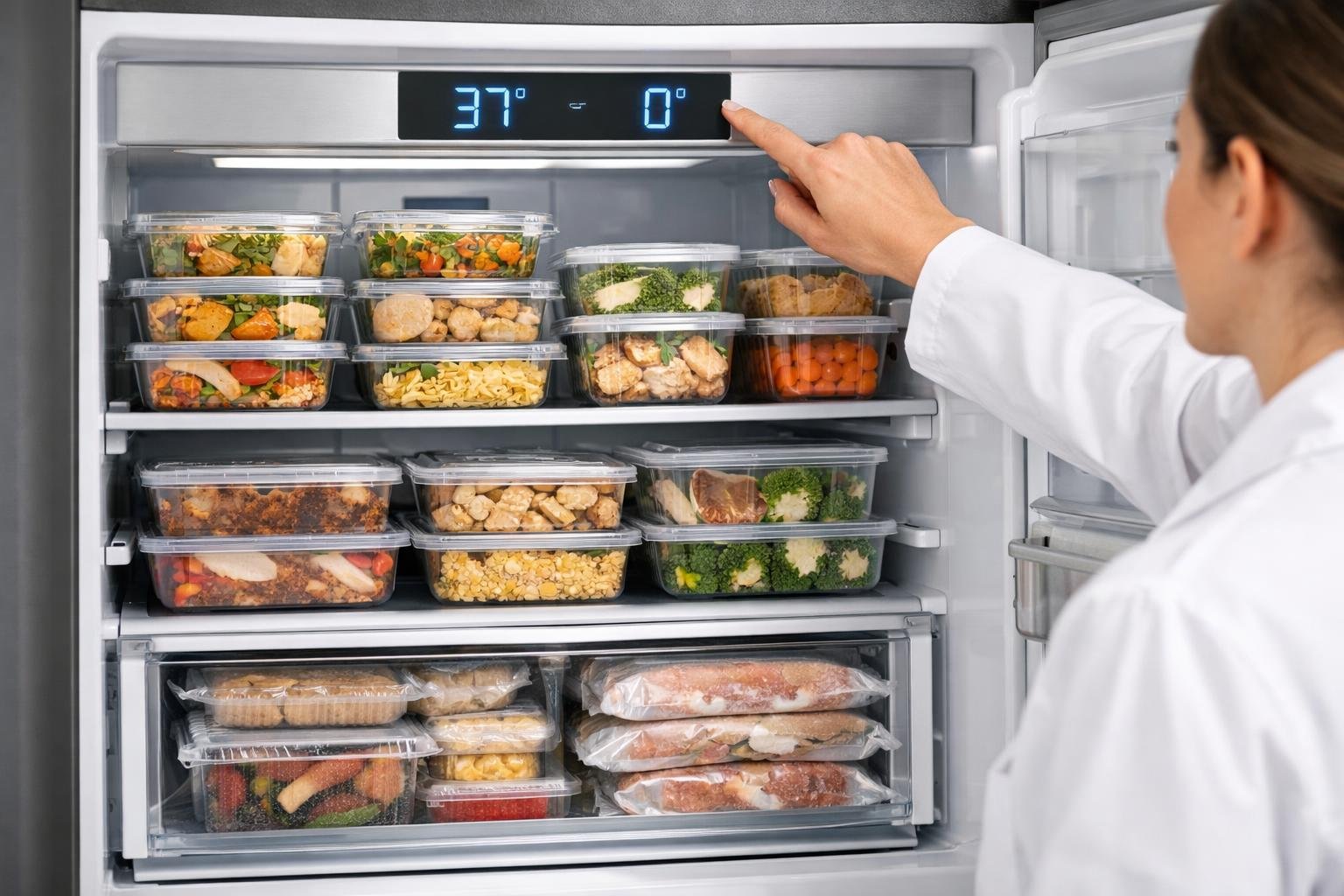
- Keep your fridge at 40°F or below and your freezer at 0°F to slow bacteria and spoilage.
- Use airtight containers, label with dates, and organize your storage to avoid cross-contamination and keep track of freshness.
- Chill prepared meals within two hours of cooking and thaw food safely to protect both taste and safety.
Setting and Maintaining Proper Refrigerator and Freezer Temperatures
Temperature mistakes are probably the biggest culprit behind spoiled food at home. If you dial in your fridge and freezer settings, you’ll get way more mileage out of your meals and keep them safer, too.
Why Temperature Control Matters for Food Safety
Bacteria love temperatures between 40°F and 140°F, also known as the danger zone. If your fridge drifts above 40°F, even just a bit, you’re basically rolling out the welcome mat for stuff like Salmonella and E. coli.
Honestly, I’ve seen meals go bad days sooner just because someone’s fridge ran at 42°F instead of 37°F. It seems minor, but those degrees matter. When you keep things chilly enough, bacteria slow down, and your food stays good longer.
Every degree above the safe mark knocks days off your food’s life. A meal that should last five days at 37°F might only make it three at 42°F. Not great odds.
Using a Refrigerator Thermometer for Accuracy
Built-in fridge thermometers? Not exactly trustworthy, since they’re often off by a few degrees. Grab a cheap standalone thermometer and stick it in the center of your fridge, away from the walls and door, to get a real reading.
Let it sit for at least 20 minutes before checking. You might think your fridge is at 38°F, but the actual temp could be 43°F. Without your own thermometer, you’re just guessing.
Check a few different spots. Door shelves tend to run warmer, while back corners run colder. Make it part of your weekly meal prep routine. If you see temps creeping up, tweak your settings right away. Ten bucks for a thermometer can save you from tossing out a week’s worth of meals.
Recommended Settings for Fridge and Freezer
Set your fridge between 35°F and 38°F. The FDA says 40°F or below is safe, but aiming lower gives you a buffer since most displays aren’t super accurate. That range keeps things cold enough to slow bacteria but not so cold you freeze your greens.
Freezer? Keep it at 0°F or lower. That stops bacteria cold and lets meals last for months, not just days. Warmer than 0°F and you risk freezer burn and loss of quality.
Ideal Temperature Settings:
- Refrigerator: 35°F to 38°F
- Freezer: 0°F or below
- Maximum safe fridge temp: 40°F
- Danger zone begins: Above 40°F
If your freezer’s building up tons of ice, it’s probably running too cold and burning energy. Adjust it down a notch, but don’t go above 0°F.
Improper Use of Containers and Packaging
Choosing the wrong containers lets air, moisture, and bacteria in, which chops days or even weeks off your meal’s shelf life. Good packaging keeps your food safe, tasty, and looking like something you actually want to eat.
Risks of Non-Airtight Containers
Non-airtight containers let oxygen in, which speeds up spoilage and bacteria growth. Air sucks the moisture out of your food, causing freezer burn and weird, dried-out textures.
Loose lids let odors jump from one food to another. Ever had lasagna that tasted like onions from the next container over? Not ideal. Worse, it can let bacteria from raw foods sneak into cooked meals.
Poorly sealed containers also get hit harder by temperature swings. Every time you open the fridge, warm air rushes in and condenses on exposed food, making things soggy and encouraging bacteria, especially in proteins like chicken or fish.
Benefits of Airtight and Freezer-Safe Containers
Airtight containers keep oxygen out, slowing down both spoilage and bacteria. This means your meals last longer, sometimes a full week instead of just a few days.
Freezer-safe containers don’t crack or get brittle in the cold. Regular plastic containers can split, letting in air and ruining your food. Go for containers labeled for freezer use if you want your meals to actually survive the deep freeze.
What to look for:
- Seals with silicone or rubber gaskets
- BPA-free and food-safe materials
- Clear sides so you can see what’s inside
- Stackable shapes for easy storage
- Microwave-safe if you reheat from the fridge
Common Mistakes With Food Storage Bags
A lot of us seal storage bags with too much air inside. That extra air gives bacteria a place to thrive and causes freezer burn. Press out as much air as you can before sealing. If you’re into gadgets, a vacuum sealer is a game changer.
Don’t use thin sandwich bags in the freezer, since they’re not built for it. Freezer bags are thicker and seal better, so your food stays good for months instead of turning into a science experiment.
Don’t overfill bags, either. Leave an inch at the top so you can actually close them, and remember that liquids expand when frozen. If you skip this, you might find a busted bag and a mess in your freezer.
Overpacking or Poor Organization in Cold Storage
Stuffing your fridge or freezer to the brim or tossing containers in at random can quietly ruin your meals. Blocked airflow means warmer spots, and a messy system makes it impossible to use up food before it spoils.
How Overloading Impacts Air Circulation
Cold air needs room to move around all your containers. If you jam everything in, you create warm pockets where bacteria get a head start. These spots can be several degrees warmer than the rest of the fridge or freezer, which speeds up spoilage and freezer burn.
Leave at least half an inch between containers and don’t block any vents or fans. Overloading also forces your fridge to work harder, causing it to cycle on and off and sometimes spike in temperature. Those little spikes add up and can shave days off your food’s life.
A meal sitting in a warm spot for three days can go bad faster than one stored with good airflow for a whole week.
Organizing for Easy Rotation and Access
If you don’t organize, you’ll forget about older meals and end up tossing them. You need a simple system so the oldest meals are always easy to grab and nothing gets buried in the back.
Easy organization tricks:
- Label everything with the prep date and what it is (waterproof markers or labels work)
- Put new meals in the back or bottom, older ones up front or on top
- Group similar meals together so you can see what needs eating first
- Use clear containers so you don’t have to open every lid to see what’s inside
When you can see everything at a glance and grab what you need fast, you’ll naturally rotate your stock and waste less. Plus, you won’t have to keep the fridge open forever, which helps keep the temperature steady and your food fresher.
Neglecting to Label and Date Prepared Meals
Skipping labels is like playing roulette with your food. If you don’t know when you made something, you’re way more likely to eat something sketchy or just toss it to be safe.
Tracking Shelf Life With Food Storage Charts
Most cooked meals are good for 3 to 4 days in the fridge, but you have to know when you made them. For foods that need time-temperature control for safety (TCS foods), you usually get up to seven days, counting the day you cooked or opened it as day one.
It helps to check food storage charts for specific limits. Seafood or creamy stuff usually goes bad faster than plain rice or pasta. For mixed meals, go by the date of the oldest ingredient. If you roast chicken on Monday and make chicken salad on Tuesday, Monday is still day one.
Without a clear date on the container, you’re just guessing and could easily go past the safe window.
Avoiding Mystery Leftovers
Unlabeled containers are a recipe for food waste. If you don’t know what’s in there or when you made it, you’ll probably just toss it or worse, eat something that’s gone bad. You end up relying on smell or visible mold, which isn’t exactly scientific.
Labeling with the dish name and date takes out the guesswork. You’ll know what you’re looking at and whether it’s still good. This one habit can save you money and keep you from wasting perfectly safe food.
It’s even more important if you share the fridge. Without labels, someone might grab the wrong sauce or serve something that’s past its prime. Clear labels make sure everyone’s on the same page.
Ignoring Safe Food Storage Practices
Skipping the basics on food safety just invites bacteria and speeds up spoilage. Good storage isn’t just about taste. It’s about not getting sick and not wasting your time and money.
Preventing Cross-Contamination in Your Fridge
Where you put things in the fridge matters. Raw meats should always go on the bottom shelf so drips can’t ruin your ready-to-eat meals. Keep prepared meals higher up, away from anything that could contaminate them.
Use separate, sealed containers for different foods. If raw ingredients touch or drip on cooked meals, you risk spreading bacteria like Salmonella, even in the cold.
Wipe up spills right away, don’t let them sit. A quick clean stops bacteria from spreading to other foods. Check your fridge every week for leaks or sticky spots that could mess up everything around them.
Keep different foods in their own zones. Dairy away from meats, prepared meals in their own spot. A little organization goes a long way to keep things safe during busy weeks.
Storing Hot Foods Directly in Cold Storage
Plopping hot food straight into the fridge might seem easy, but it’s a bad move. The heat raises the fridge’s temperature, putting everything inside at risk.
Let meals cool to room temp first, but don’t leave them out longer than two hours (or just one hour if it’s hotter than 90°F). That way, your food doesn’t linger in the danger zone where bacteria multiply like crazy.
For big batches, split them into shallow containers so they cool faster. You can even use an ice bath to speed things up before you stick them in the fridge.
Leaving Foods Unsealed or Mistakenly Stored
Leaving food uncovered in the fridge dries it out, makes it taste weird, and lets it pick up whatever smells are floating around. Always use airtight containers or sealed bags.
Air exposure speeds up spoilage and lets bacteria or mold in. Even a lid that’s just a little loose can ruin your meal by letting moisture escape. Double-check that lids are on tight before storing. For plastic wrap or foil, make sure there aren’t any gaps.
Misjudging When to Freeze or Discard Foods
Knowing when to freeze food versus when to toss it can save you money and keep you safe. It’s easy to lose track of how long something’s been in the fridge, or to wait too long to freeze it. Both mistakes can turn good food into a gamble.
Recognizing Signs of Spoilage
It's always smart to check food closely before deciding whether to freeze it or just toss it. Off smells are usually the first thing you'll notice. If meat, poultry, or leftovers smell sour, rancid, or just plain odd, it's time to let them go.
Visual clues matter, too. Mold, odd colors, or a slimy feel on meats or prepared dishes? That's your cue to throw them out. Meals with dairy-based sauces might separate or turn watery if they're starting to spoil.
Fresh stuff freezes best. If you spot wilting veggies or slightly sticky chicken, either cook it right away or pitch it. Food that's already questionable before freezing won't get safer in the freezer. Freezing only pauses bacteria. It can't undo spoilage that's already started.
Best Times for Freezing Foods
Try to freeze prepared meals within 3 to 4 days of cooking for the best results. Waiting longer just lets bacteria multiply, even if the food's in the fridge.
Raw meats should hit the freezer right away if you don't plan to use them in the next day or two. The USDA says freeze ground meat within 1 to 2 days of buying, and whole cuts within 3 to 5 days.
For leftovers, you'll get better results if you freeze them as soon as they've cooled to room temperature. Letting cooked food linger in the fridge all week before freezing shortens its shelf life and ruins the texture after thawing.
Keep your freezer at 0°F or below. At that temp, food stays safe pretty much indefinitely, though taste and texture do fade over time.
Common Freezing Mistakes
A big mistake? Refreezing thawed foods the wrong way. The USDA says you can refreeze food thawed in the fridge without cooking it, though it'll lose some quality from moisture loss. But if food has been at temperatures above 40°F for more than two hours, it's gotta go.
A lot of us freeze food in the original store packaging for long-term storage. It's technically safe, but that thin wrapping lets in air, causing freezer burn and quality loss. Overwrapping with freezer-safe materials helps keep your meals tasting better.
Stacking containers too tightly is another common slip-up. That slows freezing, and big ice crystals form, wrecking texture. Instead, spread items out in a single layer until they're frozen solid, then stack them. Ideally, foods should freeze solid within about two hours for a two-inch-thick package.
Frequently Asked Questions
Packaging, temperature, cooling, and thawing mistakes can shorten the shelf life of prepared meals. These answers cover the most common cold storage issues.
Which packaging mistakes cause prepared meals to dry out or get freezer burn in cold storage?
Using containers or bags that are not airtight allows air to reach the food. This pulls out moisture, causes freezer burn, and weakens flavor and texture.
Use freezer-safe bags or airtight containers, press out extra air, and avoid overfilling so the seal stays tight.
How does cooling hot food too slowly before refrigerating affect shelf life and safety?
Hot food left out too long stays in the danger zone where bacteria can grow quickly. Food should be chilled within two hours, or within one hour if the room is above 90°F.
Divide large batches into shallow containers so they cool faster and store more safely.
What fridge temperature mistakes make meal-prepped food spoil faster than expected?
A fridge set above 40°F can let bacteria grow and shorten shelf life. Overcrowding and frequent door opening can also create warm spots.
Use a refrigerator thermometer and keep prepared meals away from warmer door shelves.
Why does storing cooked meals uncovered or loosely covered overnight increase contamination risk?
Uncovered meals can absorb odors, dry out, and become exposed to bacteria or moisture from nearby foods.
Store cooked meals in clean, airtight containers with tight-fitting lids to protect freshness and safety.
How can cross-contamination from raw meat juices in the fridge ruin nearby prepared meals?
Raw meat juices can carry bacteria that may spread to cooked or ready-to-eat meals.
Keep raw meat, poultry, and seafood on the lowest shelf in sealed containers or on a tray to catch leaks.
What common thawing and refreezing habits quietly shorten the life of meal-prep portions?
Thawing meals on the counter can let the outside warm up while the inside stays frozen, increasing safety risks.
Thaw meals in the fridge when possible. Only refreeze food if it stayed at 40°F or below and still shows safe handling conditions.
Share:
Which Food Storage Setup Works Best For Small Freezers And Busy Kitchens
How Can Sous Vide Meal Planning Make Home Cooking More Efficient