

Check out our latest compact vacuum sealer for food collection!
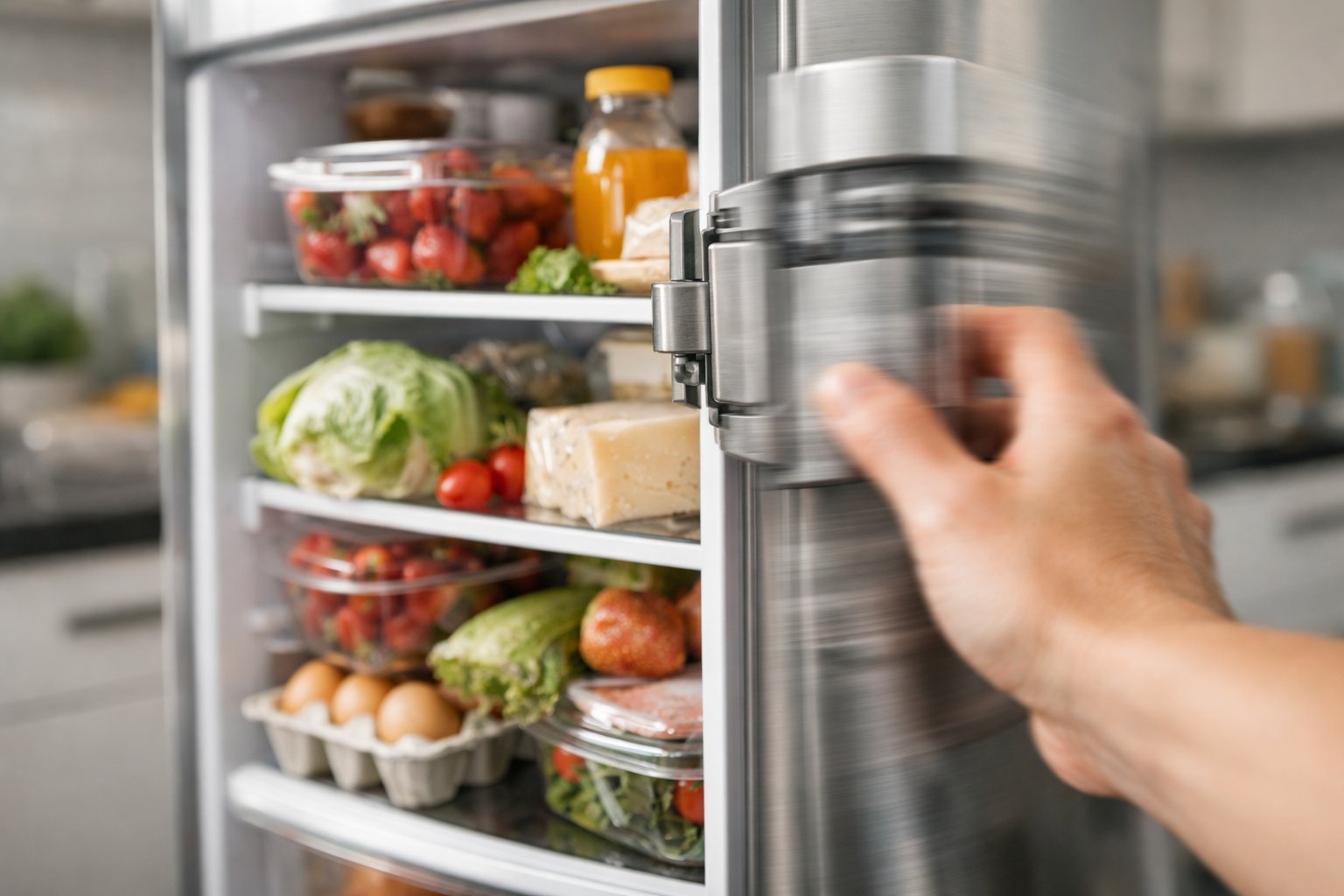
Every time you swing open the fridge for a snack or just to stare inside (hoping something new appears?), you're kicking off a chain reaction that speeds up how fast your food ages. Those temperature swings from constant door openings let warm air sneak into cold spaces, creating the perfect storm for chemical reactions, microbial growth, and a general breakdown in food quality. Studies on refrigerated display cases even show products near the front, right in the path of that warm air, heat up past safe limits pretty quickly if folks keep opening the doors.
But it's not just about temperature. Exposing food to alternating warm and cool conditions basically fast-forwards the aging process. Moisture moves around, enzymes get more active, and bacteria seize the opportunity to multiply during those brief spells of warmth. Some foods handle the stress better, but eventually, even the tough ones start showing signs of wear and tear if you keep cycling the temp.
Honestly, understanding these storage quirks isn't just about tossing less food. It's about hanging onto flavor, nutrition, and safety. The upside? Tweaking how you organize and access your fridge or pantry can make a surprising difference in how long your food stays fresh.
Key Takeaways
- Opening and closing fridges a lot creates temperature swings that help microbes grow and speed up spoilage
- Not all foods react the same—leafy greens and dairy really suffer, while heartier stuff holds up a bit better
- If you organize for quick grabs and open the door less, you'll stretch freshness and cut down on waste
How Repeated Opening and Closing Affects Food Aging
Every time you open the fridge, you set off a bunch of little changes—temperature jumps, moisture shifts, and more air hitting your food. All of this chips away at shelf life and quality.
Fluctuating Temperature and Humidity Effects
Keeping food cold and stable is key. When you open the fridge, warm air from the room (usually around 19-21°C) rushes in, bumping up the inside temperature. Research says that if you open the door every 5 minutes for a minute each time, food temps can shoot above the safe 5°C mark, giving bacteria a real boost.
Humidity jumps around too. Warm air brings in extra moisture, which then condenses on cold food. That dampness is like a welcome mat for mold and spoilage microbes. Foods near the front get hit hardest—right in the path of that incoming air.
Even quick peeks disrupt the fridge's carefully balanced environment. Turns out, 90% of door openings last less than a minute, but that's still enough to mess with the temperature throughout.
Impact of Air Exposure on Food Quality
Every time food meets fresh air, oxygen gets to work causing oxidative stress. Produce, dairy, and leftovers all go through oxidation, which saps nutrients, messes with color, and creates off-flavors.
Packaging helps, but it's not perfect. Repeated temperature changes make packages expand and contract, sometimes breaking seals and letting in air where it shouldn't go.
Things go downhill quickly with each cycle. For leafy greens in display cases with lots of door openings, up to 30% of products went above safe temps in just three days. Compare that to almost zero in cases that stayed mostly closed.
Moisture Shifts and Water Activity Changes
Water activity—basically, how much usable moisture is in your food—controls spoilage speed. When you keep opening the fridge, you get condensation cycles that change surface moisture. Warm, humid air hits cold food, water forms on the surface, and bacteria get a chance to multiply.
Moisture shifts hit foods in different ways. Crisp veggies get soggy, while stuff like cheese or deli meat dries out if exposed to too much air. The constant change between damp and dry keeps food from maintaining its ideal texture.
Inside foods, repeated warming and cooling pushes water molecules around, breaking down cell structure and speeding up texture loss.
Chemical and Physical Reactions Accelerated by Storage Habits
Every time you crack open a container or fridge, oxygen and temperature swings rush in. That speeds up oxidation, glycation, and other reactions that change flavor, texture, and nutrition—usually not for the better.
Oxidation and the Aging Process
Letting air in means oxygen gets busy with fats, vitamins, and other compounds. This breaks down cell structures and brings on weird flavors and rancid smells. Foods high in unsaturated fats—nuts, oils, fish—really take a hit.
Oxidative stress also knocks out nutrients like A, C, and E. The more you open containers, the more oxygen gets in, and the faster those nutrients disappear.
Light exposure during those openings only makes oxidation worse. Combine that with temperature jumps, and shelf life can shrink by days or even weeks compared to food that's left alone.
Advanced Glycation End Products in Foods
Advanced glycation end products (AGEs) form when sugars latch onto proteins or amino acids without any help from enzymes. This happens slowly during storage, but fluctuating temperature and humidity from repeated opening speed things up.
Frequent fridge door openings raise the temperature just enough to fuel glycation. AGEs cause browning, hardening, and a drop in protein quality—especially in dairy, meats, and baked goods.
You might notice more bitter or burnt flavors, too. Cooking intentionally creates some AGEs for taste, but when they pop up during storage, it's usually a bad sign.
Maillard Reaction and Flavor Changes
The Maillard reaction—amino acids and sugars teaming up to make new flavors and brown colors—usually happens during cooking, but it can creep along during storage if temps fluctuate.
Each time you open storage, even a brief temp rise nudges the Maillard reaction forward. This can lead to funky flavor changes in dried fruit, grains, or processed meats. Instead of tasty notes, you might get musty or cardboard-like flavors. Protein-rich foods are especially prone to this "old" taste after inconsistent storage.
Microbial Growth and Spoilage Risks
Every time you open a container, you upset the balance that keeps microbes in check. Warm air, moisture, and stray contaminants come in, giving bacteria and fungi the green light to multiply. Those temperature swings make spoilage organisms thrive, and each opening is a chance for cross-contamination.
Increased Microbial Activity from Temperature Fluctuations
Open a container, and warm air sneaks in, nudging up the temperature. That ruins the cold environment meant to keep bacteria sleepy.
Psychrotrophic bacteria like Pseudomonas and Shewanella can handle fridge temps, especially when things warm up now and then. These cycles between cold and slightly warmer temps are perfect for spoilage microbes. Even a 2-3°C bump can double or triple their growth rates.
Spoilage signs from temp swings:
- Funky or sour smells
- Slime on surfaces
- Color changes in meat and produce
- Faster mold on moist foods
Dairy's especially at risk. Milk and cheese, with their neutral pH and nutrients, let bacteria multiply quickly when temps bounce around. Sour flavors and curdling usually aren't far behind.
Cross-Contamination Hazards
Every opening is a chance for your hands, utensils, or even the air to introduce new microbes. That's where things can get dicey.
If you dig into containers with unwashed hands or used spoons, you're basically inviting bacteria like E. coli, Salmonella, or mold spores to join the party. Once inside, these bugs find fresh nutrients—especially in foods that were sterile or had low microbial counts. Fresh-cut produce is a magnet for this since cutting exposes the insides.
Ready-to-eat foods are even riskier. Deli meats, cheeses, and salads won't get cooked again, so any contamination sticks around. One dirty spoon can spread spoilage organisms through the whole container.
Usual cross-contamination culprits:
- Dirty hands
- Reused spoons
- Airborne mold
- Condensation dripping from lids
Effect on Fermented and Cured Foods
Fermented and cured foods need their own specific bacteria or aging conditions. Repeated opening throws off this balance.
Kimchi and other ferments rely on lactic acid bacteria to keep things safe and tasty. Too much oxygen from frequent openings can let in unwanted yeasts or molds, messing up the flavor and sometimes stopping fermentation too soon.
Cured meats like sausage want steady humidity and temp. Opening packaging dries them out and lets bad molds colonize before the good ones can do their job. Air exposure also oxidizes fats, giving off rancid notes that cover up any intended flavors.
Pickled foods lose brine with every opening, exposing surfaces to air and making it easier for mold to grow above the liquid.
Food Types and Susceptibility to Accelerated Aging
Not all foods react the same to air, temperature swings, and moisture changes. Processed meats and snacks go downhill fastest thanks to their high fat and preservative content, while whole foods like fruits and veggies vary a lot depending on water content and skins.
Processed and Ultra-Processed Foods
Ultra-processed foods—think packaged snacks, leftover fast food, processed meats—don't handle repeated opening well.
Bacon, hot dogs, sausages? Their fats oxidize quickly with each new burst of air. Preservatives like nitrites and nitrates break down faster, too. Opened bacon can develop off-flavors in just a few days, even in the fridge.
Snacks lose their crunch right after opening. Chips go stale, crackers soften, pretzels get chewy as moisture seeps in. The oils also oxidize, so flavors get weird and rancid over time.
Fast food leftovers fare even worse. Their salt, sugar, and fat content make them perfect for bacterial growth and chemical changes if you keep opening the container.
Animal-Derived Products
Red meat, chicken, and fish all react differently to repeated opening.
Fresh red meat oxidizes on the surface, turning brown—though that's not always spoilage. Ground beef ages faster than whole cuts since more surface area meets oxygen. After you open it, try to use ground beef within a day or two; whole cuts last three to five.
Chicken is even touchier. Its moisture and pH mean bacteria go wild with repeated opening. Slimy texture and off-smells can show up within a day or two.
Fish is the most fragile. Omega-3s oxidize quickly, bringing on that fishy smell. Try to use fresh fish the same day or the next after opening.
Aged beef is a bit of an outlier. It's meant to develop flavor under controlled conditions, but once you open it at home, it starts to degrade just like fresh beef—and sometimes even faster, since the flavors are already pretty complex.
Fresh Fruits, Vegetables, and Whole Foods
Fruits and veggies really don’t all react the same to being opened and closed repeatedly. Leafy greens? They wilt fast—sometimes in just a few hours—because their thin cell walls can’t hold onto moisture. Spinach, lettuce, and herbs are the worst offenders here.
Berries and soft fruits like strawberries and raspberries seem to go downhill the second you open their containers a few times. Each opening lets in mold spores (yep, they’re everywhere) and those little guys love the sugary, wet environment.
Carrots, cabbage, and bell peppers are a different story. They’re tougher, so they don’t dry out as quickly. Root veggies, if you store them right, can handle daily fridge raids for a week or two.
Whole foods like quinoa and nuts have their quirks. Quinoa’s low moisture keeps it pretty stable, though it will pick up fridge odors if you’re not careful. Nuts are sneaky—they start tasting off after a few weeks because their oils oxidize every time you open the container. Almonds and walnuts especially, since they’re packed with polyunsaturated fats.
Cut fruit ages way faster than whole. Slice an apple and it’ll brown in minutes, while a whole apple just hangs out for weeks, looking fine.
Packaged Snacks and Ready-to-Eat Meals
Ready-to-eat meals have their own set of problems when you keep opening them. Different ingredients break down at different rates, so you end up with weird textures and flavors.
Pre-made salads don’t stand a chance. The dressing breaks down the veggies every time you open the container, and the lettuce gets soggy fast—12 to 24 hours and it’s usually a mess.
Deli containers with multiple compartments? Cross-contamination city. Every time you open them, flavors and moisture migrate, and suddenly your crackers taste like pickles.
Protein-based meals—think chicken bowls or beef stir-fries—are risky. The sauces and seasonings create perfect conditions for bacteria, especially if the temperature keeps changing because you keep opening them.
Breakfast stuff like yogurt parfaits or overnight oats get watery and weird after a couple of openings. Granola or toppings soak up the extra moisture from condensation, and the whole thing turns mushy.
Wraps and burritos don’t fare much better. The bread or tortilla gets soggy as moisture from the filling seeps in every time you open and close the container.
Nutritional and Health Impacts of Faster Food Aging
Every time we open and close those containers, we’re speeding up spoilage and losing nutrients. It’s not just about a bad smell or a funky taste—these changes can actually mess with our health, aging, and even disease risk.
Loss of Nutrients and Diet Quality
Opening food up to air, light, and temperature swings? That’s a recipe for losing vitamins, especially C and B-complex. They break down fast with oxidation. Fat-soluble vitamins like A and E hold up a little longer but still lose potency if you don’t seal containers well.
If this happens across a bunch of foods in your kitchen, your “healthy” diet might not be as nutrient-rich as you think. Those leafy greens might have lost half their vitamin C. Oils go rancid. Even proteins can lose their punch—amino acids degrade or become less usable, so your body can’t make the most of them.
Increased Intake of Harmful Compounds
It’s not just lost nutrients. As food ages badly, it creates harmful stuff we end up eating. Lipid peroxidation (fats reacting with oxygen) produces oxidized fats—these can add to oxidative stress in our bodies.
Rancid fats taste gross, but worse, they make aldehydes and other reactive compounds the body has to deal with. Regularly eating degraded nuts, oils, or fatty meats? You’re adding to inflammation.
Common harmful compounds from aged foods:
- Advanced glycation end products (AGEs) from protein breakdown
- Biogenic amines from amino acid decay
- Peroxides from oxidized fats
- Mycotoxins from early mold (sometimes before you can see it)
Some of these form before food looks or smells off, which is honestly a bit unsettling.
Connection to Biological and Premature Aging
Here’s the thing: the link between what you eat and how fast your body ages is real. Some research suggests that every 10% bump in processed or degraded food can push your biological age ahead by about 2.4 months.
When stored foods lose antioxidants and pick up oxidized junk from repeated exposure, they stop helping you age well and start doing the opposite. Fresh veggies are full of compounds that protect your cells, but those fade fast if you don’t store them right.
What’s really important is the pattern. Eating a little degraded food here and there? Probably not a big deal. But if you’re always eating stuff that’s been poorly stored, you’re constantly exposing yourself to pro-aging factors while missing out on the nutrients that slow aging down.
Disease Risks Linked to Spoiled Foods
Eating degraded food regularly doesn’t just speed up aging—it’s tied to chronic disease risk too. Inflammation from oxidized fats and proteins spreads throughout the body and plays a role in heart disease and type 2 diabetes.
Poor diet quality—like eating nutrient-poor, aged foods—links to obesity and insulin resistance. When food loses its nutrition, you often eat more to feel full, which can lead to weight gain.
Disease connections worth noting:
| Condition | Link to Food Degradation |
|---|---|
| Type 2 diabetes | Oxidized fats mess with insulin signaling |
| Heart disease | Inflammatory compounds damage blood vessels |
| Obesity | Less nutrition, less satiety, more eating |
| Chronic inflammation | Ongoing exposure to degraded compounds |
Food poisoning from actual spoilage is an obvious danger, but the daily exposure to “just a bit off” food is a quieter, long-term risk. The way we store and handle food really does matter.
Food Storage Strategies to Minimize Accelerated Aging
Good storage and packaging slow down the whole aging process. Temperature control and a little kitchen organization go a long way.
Optimal Storage Temperatures and Zones
Keep your fridge between 35°F and 38°F. That slows down microbes without freezing your produce. The back of the lower shelves is coldest—best for raw meat and fish. The door shelves? They’re warmest, thanks to all the opening and closing.
The freezer should be at 0°F or lower. That stops enzymes cold (pun intended). Use an appliance thermometer—fridge dials aren’t always accurate.
For pantry stuff, aim for 50°F to 70°F and low humidity. Grains, nuts, oils—keep them away from stoves and windows. The area under the sink is humid and not great for food, even if it’s convenient.
Smart Organization and Kitchen Habits
Try a first-in, first-out system. Move older stuff to the front when you restock so nothing gets forgotten in the back.
It helps to make “zones”:
- Dairy: Middle shelves (most consistent temp)
- Produce drawers: High humidity for greens, low for fruits
- Proteins: Bottom shelf (less cross-contamination risk)
- Pantry staples: Cool, dark, sorted by expiration
Check labels and mark opened containers with dates. Most things last 3-7 days after opening, regardless of what the package says. Plan meals around what’s aging out.
Packaging Techniques that Extend Freshness
Transfer opened foods to airtight containers right away. Glass with rubber seals or BPA-free plastic with snap locks is better than most original packaging.
Vacuum sealing is a game changer—removes air and keeps food fresh 3-5 times longer. For things you open a lot, portion them into smaller containers so you only expose what you’re using.
In the freezer, wrap items in plastic first, then put them in freezer bags with the air pressed out. Double-wrap cheese, bread, and meat for longer quality.
For dry goods like flour, rice, and pasta, use food-grade buckets with gamma lids or big mason jars with oxygen absorbers. Keeps out pests and humidity, and your food lasts way longer.
Frequently Asked Questions
Repeatedly opening containers and sloppy storage can really shorten shelf life. Understanding how food actually breaks down helps us make smarter choices.
How does opening and closing containers affect food shelf life?
Every time you open a container, you let in oxygen and moisture. That kicks off enzyme activity and gives bacteria, yeasts, and molds a chance to multiply.
Breaking the seal also lets out volatile compounds that help preserve food. Foods with lots of fat are especially at risk—oxygen causes rancidity and off flavors.
Can frequent temperature changes in storage hasten food spoilage?
Absolutely. Temperature swings speed up microbes and enzymes. Every time you open the fridge or leave food out, the temp rises and falls, creating a playground for spoilage.
Even small temp bumps can double or triple bacterial growth. The “danger zone” (4°C to 60°C) is where most foodborne bugs thrive, and frequent opening means food hits that range more than you’d think.
Condensation forms when warm air hits cold food, and that moisture is perfect for mold and bacteria.
What's the science behind food deterioration with container aeration?
Oxygen exposure sets off reactions that break down nutrients, change colors, and mess with flavors. Fats oxidize, proteins unravel, and vitamins like A and C degrade when hit with air.
Aerobic bacteria need oxygen to grow, and opening containers gives it to them. They eat up nutrients and make waste that smells and feels awful.
Fruits that make ethylene gas speed up ripening (and spoilage) in nearby produce when exposed to air. So, every time you open a container and don’t reseal it well, you’re speeding up the whole process.
How can I tell if my food's aging is due to storage habits?
Look for patterns. If stuff in frequently opened containers spoils faster than the same food left alone, your habits are probably to blame.
Watch for mold, slimy textures, and discoloration near the opening. If food smells or tastes weird days after opening but was fine at first, it’s likely oxidized from too much air.
Compare how long your food lasts to the package suggestions. If you’re falling short and the food was fresh when you bought it, time to rethink how you’re storing it.
Are there best practices for container handling to maximize food freshness?
Take out only what you need and reseal immediately. Don’t leave lids off during meal prep—air and temp changes add up fast.
Use smaller containers for portions—you’ll open them less and expose less food to air. Split bulk items into weekly portions instead of dipping into the big container every day.
Wipe container rims and lids before closing to keep the seal tight. Food bits in the seal let in air even if the lid looks shut.
Store containers in consistent temperature zones and avoid moving them around the fridge. Keep the stuff you use most within easy reach so you’re not standing there with the door open, searching.
What role does air exposure play in the aging process of food?
Air’s got oxygen, moisture, and loads of tiny microorganisms, all eager to mess with your food. The second you leave food out, oxidation starts chewing through fats and nutrients. Plus, bacteria and mold spores drifting around in the air land right on whatever’s exposed.
Moisture in the air can be a real wildcard. Dry foods tend to soak it up, turning stale or sometimes even moldy. On the flip side, foods that start out moist lose water and end up with weird, tough textures.
How often you let air in makes a bigger difference than you might think. If you open a container once for thirty seconds, it’s not as bad as cracking it open six times for just five seconds each. Every time you do, you shake up the little environment around the food and give new germs a chance to jump in.
Share:
Why Stored Food Degrades Before Visible Spoilage
How Storage Location Influences Ingredient Stability