

Check out our latest compact vacuum sealer for food collection!
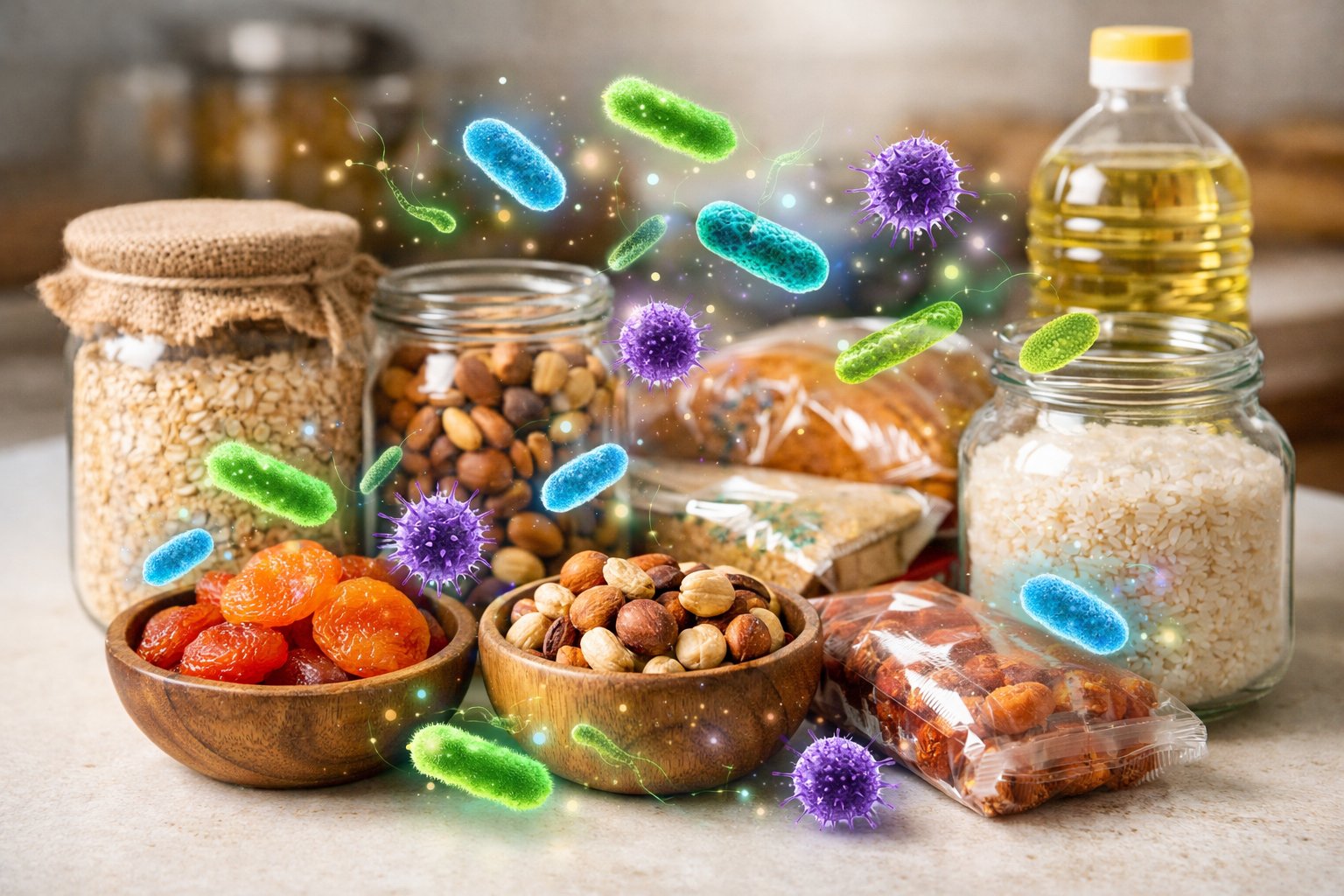
Ever notice how a head of lettuce goes from crisp to slimy in your fridge, or how leftovers that seemed fine yesterday suddenly smell off? Food starts deteriorating the moment it's harvested or cooked, way before we see mold or catch a whiff of something funky. All sorts of hidden changes kick off: microscopic organisms multiplying, natural enzymes breaking down nutrients, and chemical reactions slowly messing with the food’s structure and safety.
Most of us trust our eyes and noses to tell us when food’s bad, but by then, the damage is already done. Bacteria, yeasts, and molds get to work right away, feasting on nutrients and leaving behind waste that chips away at both quality and safety. Meanwhile, enzymes in food keep breaking down proteins, fats, and carbs, doesn’t matter if it’s on your counter or tucked in the fridge.
Knowing about these invisible changes helps you make smarter calls about storage and when to use stuff up. We’re not totally at the mercy of nature here. If we get what’s happening behind the scenes and tweak our storage, we can keep things fresh longer and cut down on waste.
Key Takeaways
- Food starts degrading right away—microbes, enzymes, and chemistry all play a part before you spot anything wrong.
- How you store food (temperature, humidity, packaging) really affects how fast these changes happen.
- If you learn the early sensory clues, you can catch food quality slipping before it’s a safety risk.
Understanding Food Deterioration Before Spoilage
Food never just “suddenly” goes bad. Chemical and physical changes chip away at quality, flavor, and nutrition long before you see or smell spoilage.
What Happens Before Spoilage Is Obvious
Before mold or weird smells show up, food quietly changes in ways that mess with how it tastes and feels. Oxidation kicks in as soon as oxygen hits fats and oils, creating off-flavors and sapping nutrients. Enzymes inside the food keep working, breaking down proteins, starches, and cell walls.
Moisture movement matters too. Water shifts around—bread goes stale, crackers get soft, veggies wilt. These changes won’t necessarily make you sick, but they do make food less enjoyable.
Temperature swings speed up enzyme activity and chemical reactions. Even in the fridge, things still break down—just a bit slower—before microbes reach dangerous numbers.
Differences Between Deterioration and Spoilage
Deterioration and spoilage aren’t the same thing. Deterioration is about gradual quality loss—chemistry, physics, and enzymes change flavor, texture, and looks, but not always in a way that’s unsafe. Spoilage means microbes or rot have made food unfit or even risky to eat.
You can eat food that’s deteriorated—it might just taste bland or feel weird. Spoiled food, on the other hand, can carry bacteria, viruses, or parasites that’ll make you sick. It’s a key difference for both safety and not tossing stuff unnecessarily.
Deterioration starts as soon as food’s harvested or processed. Spoilage happens faster once conditions let harmful microbes multiply.
Stages of Food Quality Decline
Food moves through stages from peak freshness to total spoilage:
Stage 1: Peak Quality
Right after harvest, production, or purchase, food’s at its best—flavor, texture, color, nutrition.
Stage 2: Early Deterioration
Small chemical changes start to dull flavor and vitamins. You might notice slight moisture loss or softer texture.
Stage 3: Noticeable Deterioration
Flavors fade or get weird. Texture changes are obvious. Nutrition drops faster.
Stage 4: Pre-Spoilage
Quality tanks. Food’s technically safe, but not pleasant. Microbes are multiplying, but not yet dangerous.
Stage 5: Spoilage
Now you see mold, slime, or smell strong odors. Pathogens might be at risky levels.
Invisible Microbial Activity in Stored Food
Microbes don’t wait for visible slime or bad smells. Bacteria, yeasts, and molds multiply quietly in your fridge and pantry, breaking down nutrients and releasing byproducts that mess with food days before you notice.
Growth of Bacteria, Molds, and Yeasts
When you store food, you’re basically setting up a habitat for three main types of microbes. Bacteria are the usual suspects, going wild in moist, protein-rich foods like meat, dairy, and cooked grains. One bacterium can double every 20 minutes—think millions in a few hours.
Yeasts love sugar and thrive in fruits, juices, and fermented stuff. They’re slower than bacteria but still cause off-flavors—ever had a juice bottle get fizzy on its own?
Molds take their time but grow on all sorts of foods. They don’t even need much moisture—bread crusts, cheese rinds, you name it. Their filaments dig deep, way past what you see on the surface.
Each group moves at its own pace, depending on temperature, pH, and nutrients. Cold slows them down, but doesn’t stop them—some bacteria, like Pseudomonas, actually like the cold.
Spoilage Microorganisms at Work
Spoilage bacteria aren’t always dangerous, but they break down food with enzymes and leave behind waste. Pseudomonas dominates in the fridge, breaking down proteins and fats in meat, dairy, and seafood. Their enzymes keep working even after pasteurization, which is why even ultra-pasteurized milk can go bad.
Different foods attract different spoilage microbes. Lactobacillus sours dairy and veggies. Clostridium loves vacuum-packed meats, making that “rotten egg” smell.
It’s important to tell these apart from pathogens like Salmonella, E. coli, or Listeria. Spoilage microbes ruin taste and texture, but pathogens can make you sick—sometimes without any visible clues.
| Microorganism Type | Primary Target Foods | Key Metabolic Products |
|---|---|---|
| Pseudomonas | Meat, fish, dairy | Proteases, lipases, off-odors |
| Lactic acid bacteria | Vegetables, dairy | Lactic acid, texture changes |
| Clostridium | Vacuum-packed meat | Hydrogen sulfide, gas |
| Yeasts | Fruits, juices | Alcohol, CO₂ |
Role of Spoilage Bacteria in Early Degradation
Spoilage bacteria kick off degradation by releasing enzymes that break down proteins, carbs, and fats. This starts at the molecular level, days before you notice texture changes or slime. A chicken breast in the fridge for three days might look fine, but bacteria could already be in the millions per gram.
Byproducts like acids, alcohols, and sulfur compounds slowly build up. At first, only sensitive instruments could pick up the changes. By the time you smell something off, the microbes are way ahead.
Leaving food at room temp, even for an hour, can speed things up. Some spoilage bacteria double every few hours in the fridge. Ground meats spoil faster than whole cuts because bacteria get mixed throughout.
Enzymatic and Chemical Changes Before Spoilage
Way before you see decay, enzymes and chemical reactions are already breaking down nutrients and changing quality. These invisible processes mess with color, texture, and nutrition while food still looks okay.
Enzymatic Activity and Food Transformation
The moment you harvest, butcher, or cut food, its own enzymes start breaking down cell structures. These proteins speed up chemical reactions and don’t need bacteria or mold to get going.
Enzymatic browning is one of the first changes you’ll spot—think apples or bananas turning brown after slicing. That’s polyphenol oxidase at work, reacting with oxygen to make melanins. Potatoes and lettuce edges brown for the same reason.
Other enzymes target proteins (making meat mushy), fats (starting rancidity), or starches (changing texture and sweetness in grains and potatoes).
You can slow enzymes down, though. Cold temps cut their activity by half for every 10°C drop. That’s why fridges help, but don’t halt the process. Blanching veggies before freezing kills enzymes, so frozen veggies outlast fresh ones.
The Chemistry of Oxidation and Rancidity
Oxygen is always reacting with food in your pantry and fridge. Fats are the main target, leading to two types of rancidity.
Oxidative rancidity happens when oxygen attacks unsaturated fats, making aldehydes and ketones that give nuts, oils, and chips that nasty stale taste. Light, heat, and metals make it worse, so we keep oils in dark bottles and nuts sealed up.
Hydrolytic rancidity needs both water and lipase enzymes to break down fats. That’s why butter can smell off—short-chain fatty acids like butyric acid are released. Dairy and moist foods are most at risk.
| Rancidity Type | Key Requirements | Common Examples |
|---|---|---|
| Oxidative | Oxygen + unsaturated fats | Nuts, cooking oils, potato chips |
| Hydrolytic | Water + lipase enzymes | Butter, coconut oil, whole grain flour |
Vitamins break down, too. Vitamin C (ascorbic acid) falls apart fast when exposed to oxygen, light, or heat. That’s why cut fruit loses nutrition quickly, even in the fridge.
Protein and Carbohydrate Breakdown
Proteins start breaking down right after harvest or slaughter, thanks to natural enzymes. They snip protein chains into smaller bits. In meat, this first makes it more tender, but over time, it gets mushy and off-flavored.
You’ll notice texture changes before any smell—fish turns soft, egg whites get watery, beans take longer to cook as proteins change.
Carbs break down, too. Amylase enzymes turn starches into sugars, so stored potatoes sometimes taste sweeter. Pectinases break down the glue in plant cell walls, making fruits and veggies softer.
Room temperature speeds all this up, but even in the fridge, these changes keep going—just more slowly.
Environmental Factors That Accelerate Food Degradation
Environmental conditions quietly stress stored food before you ever see mold or smell something off. Temperature swings, moisture, oxygen, and how you handle food all set off specific breakdown processes, starting the moment you bring groceries home.
Temperature and Its Fluctuations
Temperature control is hands-down the most important part of keeping food from breaking down too quickly. Every time temps jump by 10°C, the speed of chemical reactions and microbial growth in stored food basically doubles.
Refrigerators should stick between 1-4°C (34-40°F). If you leave the fridge door open for too long or cram in too much, warm spots show up, and food spoils faster there. Freezers need to stay at -18°C (0°F) or below to really stop enzymes from working.
Fluctuating temperatures actually do more harm than just being a little too warm. When food warms up and then cools again, ice crystals melt and reform, ripping apart cells and letting enzymes loose to mess with nutrients and texture. This is what happens if you keep taking things out of the freezer, or when the power blinks off and on.
There’s that “danger zone” between 4-60°C (40-140°F) where bacteria multiply like crazy. You really shouldn’t leave perishable food out in that range for more than two hours—or just one hour if it’s above 32°C (90°F) in the room.
Moisture and Water Activity
Water activity (aw) is about how much moisture in food is actually available for microbes and enzymes, not just how wet something feels. Most bacteria need an aw above 0.90, but molds can hang on even at 0.70.
Moisture control depends on what you’re storing:
- High-moisture foods like fresh veggies and meats dry out and lose quality
- Low-moisture foods like crackers or pasta get stale or moldy if they soak up humidity
- Intermediate foods (bread, cheese) can go bad from either too much or too little moisture
It’s easy to miss how fast moisture loss affects food. A cucumber only needs to lose 5% of its water before it turns limp, but chemical changes start with just a 1-2% drop. That’s why the crisper drawer in your fridge keeps humidity high (around 95%) for veggies.
Condensation is just as bad. When cold food warms up, water droplets form and invite bacteria. That’s why it’s a bad idea to stick hot leftovers right into the fridge.
Oxygen Exposure and Light
Oxygen is a big culprit in making fats go rancid and ruining flavors, especially in foods loaded with unsaturated fats—think nuts, whole grain flours, oily fish. Even cold storage can’t fully stop this.
Oxidation creates free radicals that wreck vitamins A, C, and E, mess with colors, and leave bitter or metallic tastes behind. Metal ions like iron and copper make these reactions worse.
Light makes oxygen damage even faster. UV and visible light give energy to all those destructive reactions. Milk loses its riboflavin, oils go off, and fresh herbs fade and lose aroma.
Ways to fight this:
- Store light-sensitive foods in opaque containers
- Squeeze out excess air from bags
- Keep oils and nuts somewhere dark
- Don’t leave foods out under bright kitchen lights for long
Physical Damage and Structural Changes
Physical damage—bruises, cuts, even rough handling—speeds up spoilage by letting enzymes out of busted cells and giving microbes a way in. Ever notice how a bruised apple browns so fast? That’s because the enzymes hit oxygen right away.
Moving, stacking, or jostling food can create small tears that you might not see, but they still let bacteria and mold in.
Freeze-thaw cycles are especially rough. Ice crystals punch holes in cell membranes, and repeated cycles only make it worse. That’s why food that’s been thawed and refrozen turns mushy and loses its shape.
Even small things matter. Every time you pick through berries, you risk bruising them and making them more vulnerable to mold.
Influence of Storage Methods and Packaging
How you store food and what you put it in makes a real difference—even before you see any obvious spoilage. Good packaging blocks out oxygen, moisture, and germs, while the right storage keeps temperature and humidity in check.
Role of Packaging Materials
Packaging is your food’s first shield against everything outside that wants to ruin it. Different materials block oxygen, light, and moisture to different degrees.
Plastic containers aren’t all equal. HDPE and PETE plastics keep moisture out pretty well, but oxygen still sneaks through over time. Glass is great at blocking both oxygen and odors, though it won’t stop gases from slipping in around the lid. Metal blocks light and oxygen but can react with acidic foods.
Packaging material basics:
| Material | Oxygen Barrier | Moisture Barrier | Light Protection |
|---|---|---|---|
| Glass | Excellent | Excellent | Excellent |
| Metal | Excellent | Excellent | Excellent |
| HDPE Plastic | Moderate | Good | Poor |
| PETE Plastic | Moderate | Good | Moderate |
Thickness matters too. Thin plastic bags let in a lot more air than sturdy, food-grade containers.
Benefits of Airtight Containers and Vacuum Sealing
Airtight containers slow down oxidation, which keeps fats from going rancid and vitamins from breaking down. For example, flour lasts maybe half a year in a regular bag, but up to two years sealed tight.
Vacuum sealing pulls out almost all the air—about 99.5%—which nearly stops bacteria that need oxygen and slows down oxidative reactions. This keeps fruits and veggies from browning and stops nuts and meats from going stale. Vacuum-sealed, frozen foods can stay good three to five times longer than just tossing them in the freezer.
Airtight storage also keeps foods from drying out. Even in the fridge, uncovered food loses water, and you end up with that sad, shriveled cheese or limp veggies.
According to the USDA, airtight containers cut down on freezer burn and help keep food safe by limiting contact with airborne germs. Plus, they keep strong odors from spreading.
How Cross-Contamination Occurs
Cross-contamination is when bacteria or other microbes jump from one food to another—by touching, sharing surfaces, or even through the air. This can make good food spoil faster.
Raw meats are loaded with spoilage bacteria like Pseudomonas and Acinetobacter. If meat juices leak onto veggies or if you use the same container or cutting board, those bacteria get a new home.
Common ways cross-contamination happens:
- Using the same cutting board for raw and ready-to-eat foods
- Storing uncovered foods above others in the fridge
- Not washing utensils between different foods
- Handling several foods without washing hands
Even in storage, odors can jump from onions to butter, and bacteria can move between foods if containers aren’t clean or if things touch in a packed fridge.
Storage Tips for Perishable Foods
Perishables need the right storage to stay fresh. Each type of food has its quirks.
Keep meat and poultry in the coldest fridge spot—the back of the bottom shelf—where it stays around 32-34°F. Use sealed containers or plates to catch leaks. The USDA says to use or freeze fresh poultry within 1-2 days, red meat within 3-5 days.
Dairy lasts longer with steady temperatures. Don’t keep milk in the fridge door, since it warms up every time you open it. Cheese does best wrapped in wax paper, inside an airtight container—this keeps it from drying out but doesn’t trap too much moisture.
Produce needs different tricks. Leafy greens stay crisp in perforated bags that let air in but keep humidity up. Root veggies like it cool, dark, and a bit humid. Keep apples and other ethylene-producing fruits away from veggies like lettuce, which are sensitive to that gas.
Quick storage tips:
- Fish and seafood: Use within 1-2 days, store as close to 32°F as you can
- Berries: Store unwashed in breathable containers, rinse just before eating
- Eggs: Keep in their original carton, on a fridge shelf (not the door)
- Herbs: Stand them in water like flowers, or wrap in a damp towel
Check your food regularly and pull anything that’s starting to go off, so it doesn’t spoil the rest. A little rotation and inspection go a long way.
Early Signs and Sensory Indicators of Food Degradation
Our senses are surprisingly good at picking up early trouble with food—even before it looks obviously spoiled. Shifts in color, texture, smell, or taste usually mean chemical or microbial changes are already happening.
Changes in Color, Odor, and Texture
Color is usually the first giveaway. Fresh meat turns brown or gray as myoglobin oxidizes, and produce loses its bright color or gets brown spots from enzymes. Dairy might start to yellow, and cut fruit darkens.
Odor is a big clue. Foods start to smell sour, musty, or even a bit like ammonia as bacteria get to work. Dairy gets tangy or yeasty, and proteins can smell sulfurous or just plain rotten.
Texture changes show that food’s structure is breaking down. Crisp veggies go limp as their cells lose water. Firm fruit softens as pectin breaks apart. Proteins can turn mushy or oddly firm, depending on what’s happening with enzymes and moisture.
Slime Formation and Surface Changes
If food feels slimy, that’s usually bacteria building up a film on the surface. Meats, poultry, fish, and greens can all get this way as bacteria multiply and make their own protective goo.
Surface moisture is another warning sign. Condensation inside a package or on food gives bacteria the water they need to thrive. You’ll see this on deli meats, cheese, or produce before you spot mold.
If bread or dried foods get sticky or tacky, it often means moisture is moving in and mold could be next—even if you can’t see it yet.
Carbonation, Gas, and Flavor Off-Notes
Gas buildup can make packages bulge, cans swell, or containers hiss when opened. Microbes fermenting sugars or proteins release gases like CO2 or hydrogen. If a package is bloated, don’t eat what’s inside.
Unexpected fizz in foods that shouldn’t bubble—like juice or sauces—means unwanted fermentation. Yeasts or bacteria are making gas inside.
Odd flavors—bitterness, sourness, metallic notes—can show up before you see anything wrong. Fats go rancid, proteins taste off, and those subtle changes are your early warning.
External Contaminants and Pest Threats in Food Storage
Pests can ruin food long before you see obvious signs. They bring in germs, speed up spoilage with physical damage, and leave behind waste. The real headache is figuring out how they get in and all the sneaky ways they lower food quality.
Risks from Rodents, Insects, and Parasites
Rodents like mice and rats chew through cardboard, plastic, even thin metal to reach food. Their droppings and urine spread bacteria like Salmonella and Hantavirus.
Insects—weevils, beetles, pantry moths—get in through tiny cracks or even come home with you in dry goods. Fruit flies swarm anywhere there’s moisture or fermentation.
Parasites show up through contaminated ingredients or sloppy handling, especially if containers aren’t sealed. Grains can harbor dormant parasites that wake up in the right conditions.
All pests need is food, moisture, and a place to hide. Even a spotless kitchen can get hit if containers aren’t sealed or you miss a crack somewhere.
Effects of Pests on Stored Food Quality
Pests mess up food in more ways than just eating it. Droppings, shed skins, and body parts add germs and allergens. A single mouse can drop 40-100 pellets a day, contaminating a whole pantry fast.
When insects bore into grains, they open the door for bacteria and mold, and their own enzymes start breaking down starches and proteins. This creates bad smells and flavors before you ever see visible mold.
Pests also create damp spots with their breathing and waste, making perfect pockets for bacteria. Flour with weevils can lose vitamins and taste rancid in days, even if it looks okay.
The damage isn’t just from what pests eat. Their webs, cocoons, and tunnels let in more air and moisture, speeding up spoilage throughout the container.
Frequently Asked Questions
Food degradation is a messy mix of enzymes, microbes, and chemical reactions that kicks off as soon as food is harvested or processed. How fast it happens depends on how you store it—temperature, moisture, packaging, all play a part.
What's the science behind food deteriorating even when it's out of sight and packed away?
Food doesn’t care if we’re watching—it just keeps changing. As soon as we stash something away, enzymes inside the food keep working, breaking down proteins, fats, and carbs like they’re programmed to. It’s the same process that happens out in nature, just a little less dramatic.
Microorganisms hanging out on food surfaces don’t clock out when we close the pantry. Bacteria, yeasts, molds—they all keep doing their thing, more or less depending on how warm or damp it is. Even when things look bone dry, chemical reactions like lipid oxidation crawl along, eventually making oils and fatty foods taste off or rancid.
And about dryness—looks can fool us. A bag of flour might seem parched, but it usually holds enough moisture at the microscopic level to keep enzymes busy and, if the stars align, let mold sneak in.
Can you unpack the top reasons that trigger the downgrade of our groceries before they wave the white flag?
Temperature swings are public enemy number one for food quality. When we let things get warm, cool, warm again, we’re practically rolling out the welcome mat for microbes and enzymes to speed up.
Oxygen is another troublemaker. It sets off reactions that break down fats, vitamins, and even colors in food long before mold ever shows up. Every time we crack open a package and don’t seal it perfectly, oxygen slips in and keeps chipping away at what’s inside.
Moisture can get weird inside storage containers. Even if it’s airtight, humidity isn’t always even, and a sudden temperature change can cause condensation—giving bacteria and molds little pockets to thrive in.
Cross-contamination’s sneakier than most of us realize. Leftover spores or bacteria from old items can hitch a ride and start the spoilage process in new foods, no matter how careful we think we are.
What ninja moves can we pull to sidestep the tragedy of food spoilage?
Keeping dry goods truly dry is key. Airtight containers with real moisture barriers help, and tossing in a food-safe desiccant packet for flour, rice, or herbs can make a bigger difference than you’d think.
Dividing food into smaller portions before storing is a game-changer. Instead of opening one big container over and over, split things up so you only expose what you’re actually using.
It helps to store foods in dark or opaque containers when you can. Light speeds up vitamin loss and can mess with flavor and color, especially in oils, spices, and anything with fragile nutrients.
Don’t sleep on rotation. Using up older stuff first keeps things from sitting around long enough to go from “probably fine” to “definitely spoiled.”
How does playing it cool (literally) in storage make a difference in the shelf life saga?
Chilling food slows down microbes in a big way. Drop the temperature by 10°C, and bacteria and their friends work at half-speed, maybe even slower. That buys us time before anything gross shows up.
Cold also slows down the enzymes that brown, soften, or drain the nutrients from our food. They’re still active in the fridge, just moving at a snail’s pace compared to room temp.
Keeping the fridge at a steady temperature matters more than you might guess. Every little rise gives cold-loving bacteria a chance to multiply before things cool down again.
Freezing? That’s a whole different level. It almost completely stops biological activity. Sure, a few slow changes can still happen, but most microbes and enzymes just can’t do much in the deep freeze.
What are the invisible agents of change in our pantries that hustle our food to spoilage city?
Lipases are the quiet troublemakers in fatty foods. They break down fats into free fatty acids and glycerol, and that’s what makes nuts, seeds, or oils go rancid after a while.
Proteases work away at proteins in stuff like dried meat, cheese, and beans. We can’t see it, but they’re busy breaking peptide bonds, which eventually messes with texture and brings out odd flavors as amino acids break down.
Amylases, meanwhile, turn starches into sugars in grains and flours. Sounds innocent, but extra sugar can attract bugs and feed whatever microbes are lurking.
Polyphenol oxidase is the reason apples and potatoes brown from the inside out after you slice them. Oxygen hits the cut surface, and the enzyme gets to work—even if the outside still looks okay.
Could you dish out some insight on how poor storage plays the villain in our food's freshness tale?
If you don't seal food properly, those tasty, volatile flavor compounds just drift away, and your leftovers soak up weird smells from whatever's nearby. Suddenly, that once-delicious meal is just... bland. It's disappointing how quickly food loses its charm, even when it's still technically safe.
Leaving food in the temperature danger zone—anywhere between 4°C and 60°C—basically invites bacteria to throw a party. It doesn't take long; just a few hours, and bacteria populations can explode. Honestly, most of us don't realize how fast things can go south.
Humidity? That's another sneaky culprit. Supposedly shelf-stable stuff like crackers, cereal, or dried pasta will suck up moisture from the air. Before you know it, mold can show up, or enzymes kick in and mess with the texture and flavor.
Container choices trip people up too. Using reactive metal containers with acidic foods? Not great, since they can trigger unwanted chemical changes. Thin plastic lets in more oxygen than you'd think, which slowly ruins whatever's inside. And those clear glass containers might look sharp, but they let in light that can wreck sensitive foods—sometimes, the boring opaque ones are just better.
Share:
How Temperature Fluctuations Damage Stored Ingredients
Why Repeated Opening and Closing Speeds Up Food Aging