

Check out our latest compact vacuum sealer for food collection!
Grocery bills creep up fast, but it’s not just rising prices to blame. Honestly, a lot of it comes down to good intentions gone sideways, buying food we forget about until it’s past its prime. When lettuce turns to mush in the crisper or leftovers get lost behind the milk, we’re basically tossing our cash in the trash.
Smart storage planning helps us actually use what we buy, so we waste less and stretch the life of all those fresh ingredients. No need for fancy systems or pricey bins. The best stuff is simple: check what’s already in the kitchen before shopping, keep food where we can see it, and put older stuff up front so it gets used first.
The average household loses over $1,500 a year to food waste. That’s a wild number, and most of it happens in our own kitchens. If we get a little more intentional about how we stash and plan, we’ll keep more of that money and actually eat the groceries we bring home.
Key Takeaways
- Organizing storage and taking inventory before shopping stops us from buying doubles and cuts down on food waste
- Using clear containers, rotating older stuff to the front, and knowing fridge zones keeps things fresh longer
- Freezing ahead, repurposing leftovers, and planning meals around what’s already there gets the most out of every grocery dollar
How Smart Storage Planning Directly Impacts Grocery Savings
Smart storage planning makes a real dent in grocery costs by stopping spoilage, avoiding buying the same thing twice, and shifting us from impulse shopping to buying what we actually need. When we organize our kitchens and keep tabs on what’s in there, we naturally spend less and get more out of every trip to the store.
Connecting Food Storage to Food Waste Reduction
When we store food right, we stop spoilage before it drains our budgets. Keeping produce at the right temps—think 35-38°F for most fridge stuff, 50-60°F for potatoes and onions—adds days or weeks to their shelf life.
Clear containers make it obvious what’s aging and needs to get used up soon. Just seeing what’s about to go bad helps us use it before it’s too late. We don’t have to buy less food, just use what we already have.
The "first in, first out" trick works—new groceries go behind the old ones, so we naturally grab the older stuff first instead of letting it rot in the back.
Fridge temperature really matters. If your fridge runs at 40°F instead of 37°F, produce goes bad days sooner. That’s real money in the trash.
Real-World Cost of Food Waste in Households
American households toss out 30% to 40% of their groceries. That means for every $10 we spend, $3 or $4 just disappears. If a family spends $800 a month on food, $240 to $320 of that is wasted.
Here’s a rough monthly breakdown:
- Fresh produce: $80-100
- Dairy: $30-40
- Meat and proteins: $50-70
- Leftovers/prepared food: $40-60
That’s not just theoretical—it’s money we already spent, gone. Tightening up storage and tracking what we have helps us keep that cash without giving up the foods we like.
Leaving leftovers out for more than two hours? That’s a quick way to toss $5 to $15 in the garbage, depending on what’s in the container.
Smart Shopping Versus Impulse Buys
When we know what’s in the pantry and fridge, we skip buying things we already have. No more third jar of marinara sauce quietly expiring in the back.
Smart shopping starts at home. We check what’s on hand, plan meals around it, and make a list based on what we actually need—not just what we think we’re out of.
Impulse buys are usually things with a short shelf life—berries, fancy cheeses, pre-cut veggies. Without a plan to use them right away, they spoil fast. That $6 tub of pre-washed spinach? It goes slimy if we already have greens tucked away.
If we organize our list to match the store layout, we spend less time wandering and picking up random stuff. We’re less likely to grab “maybe I’ll use it” items that just end up sitting around.
Building a Smart Grocery List for Savings
A good grocery list is our first line of defense against overspending and food waste. When we buy for the meals we’ve actually planned and for what our fridge can handle, we stop guessing and start eating what we buy.
Meal Planning Strategies for Less Waste
Start with a weekly meal plan that matches what we’ll really eat before things go bad. Check how many nights we’ll cook versus getting takeout.
Best move? Plan meals that share ingredients. If we buy cilantro for tacos, maybe use the rest in a curry or a salad dressing. That way, nothing wilts away unused.
It’s also smart to think about storage space. Planning for 15 different veggies sounds healthy, but if the crisper only fits 8, we’re setting ourselves up for waste. Fewer, more versatile ingredients get used up and stored properly.
Batch cooking helps, too. Make extra chicken for dinner and use it in tomorrow’s lunch wrap or Friday’s grain bowl. It cuts down on cooking time and shrinks the shopping list.
Inventory Checks Before Shopping
Before adding anything to the list, we need to see what’s already around. Open the fridge, freezer, and pantry—take a real look.
This usually turns up half a jar of pasta sauce, forgotten ground beef in the freezer, or cans of chickpeas hiding behind cereal. Those finds become the start of new meals and keep us from buying repeats.
Checking expiration dates is key. Anything close to its use-by date goes into meals soon. That yogurt expiring in three days? Tomorrow’s breakfast, not next week’s trash.
Creating an Optimized Shopping List
Organize the list by how the store is laid out—produce, dairy, proteins, pantry. It saves time and helps us skip impulse grabs.
Main categories:
- Fresh proteins (with amounts)
- Veggies (matched to recipes)
- Pantry restocks (only what’s gone)
- Dairy and eggs (check space first)
Write down exactly what’s needed. Instead of “tomatoes,” say “3 medium tomatoes for salsa.” That stops us from buying a big bag when we only need a few.
Buy bigger packs of freezer-friendly stuff like chicken or berries, but keep fresh herbs limited to what we’ll use in a week. Our list should fit our real storage, not our wishful thinking.
Essential Food Storage Basics That Prolong Freshness
Getting storage right means putting food where it belongs and protecting it from air, moisture, and temperature swings. If we organize our fridge and pantry zones and use decent containers, we can keep food fresh a lot longer.
Understanding Fridge and Pantry Zones
Fridges have hot and cold spots. The back is coldest—good for milk and eggs. The door is warmest, so keep condiments and drinks there.
Crisper drawers aren’t just random bins. One should be set for high-humidity foods like greens and herbs, the other for low-humidity stuff like apples and peppers. Setting the fridge between 35-38°F keeps things cold but not frozen.
In the pantry, root veggies like cool, dark corners with airflow. Whole wheat flour goes bad faster than all-purpose, so maybe keep it in the fridge. It’s a bit of extra effort, but worth it if you don’t bake much.
Benefits of Airtight Containers
Switching to airtight containers keeps out air, moisture, and bugs. When we move flour, sugar, rice, and other staples into sealed bins, they last way longer.
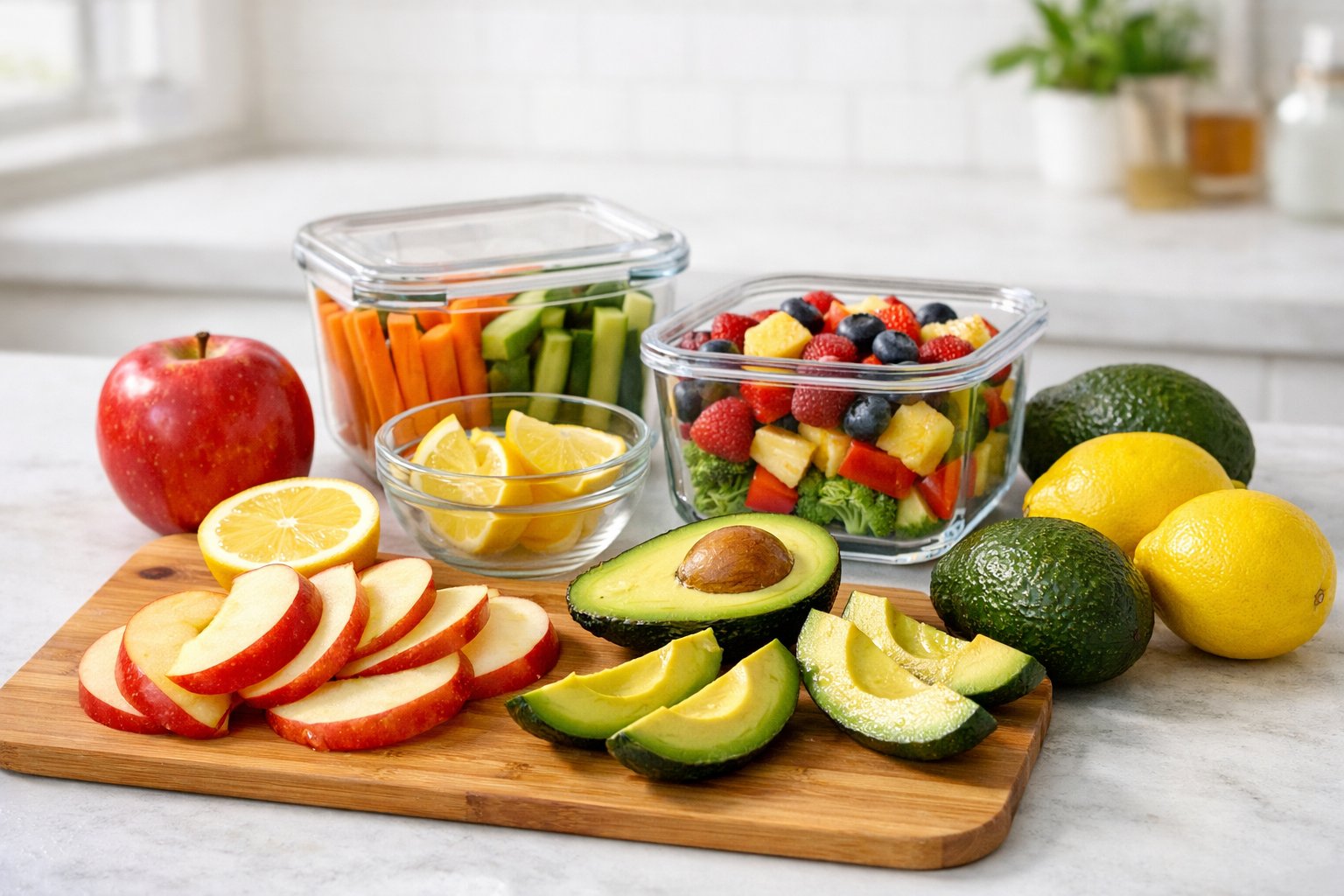
Clear containers help us see what we have and how much is left. That alone stops us from double-buying. Glass and food-safe plastic don’t mess with food flavor, and they stack neatly.
Foods that love airtight storage:
- Nuts and seeds (stays fresh, no rancid taste)
- Spices and dried herbs (keeps flavor strong)
- Baking stuff like flour and sugar (no humidity, no bugs)
- Crackers and cereal (crunchy, not stale)
Proper Use of Pantry Staples
Dried beans and grains are a bargain if we store them right. Label everything with the date so we use older stuff first.
Cooking oils break down with heat and light. Instead of keeping the big bottle by the stove, pour what we need into a small container and stash the rest in a cool spot.
Brown sugar dries out fast. If we keep it in a sealed container with a marshmallow or two, it stays soft. Same for dried fruit—seal it up tight so it doesn’t get tough or pick up weird flavors.
Mastering Food Preservation and Freezer Habits
Freezing and preserving food can cut grocery costs by a third or more by stopping spoilage and letting us buy in bulk. If we learn to freeze things right and avoid freezer burn, we can stretch shelf life from days to months.
Freezing Food Without Losing Quality
Honestly, freezing food well is all about prep and keeping the temperature at 0°F or below. That stops bacteria and keeps food tasting like it should.
Before freezing, blanch veggies—boil briefly, then dunk in ice water. It keeps color and flavor. Most need just 2-4 minutes.
For meat, split up bulk packs into meal-sized portions before freezing. That way, we only thaw what we need and save money by buying bigger packs. We can freeze fresh herbs in ice cube trays with oil or water, making them easy to toss into recipes later.
Quick Freeze Tips:
- Berries/fruits: Freeze on a tray first, then bag them
- Soups/sauces: Cool all the way, leave space for expansion
- Bread: Slice before freezing so we can grab just what we need
- Stock/broth: Freeze in cubes for easy use
Always label with contents and dates. Most fruits and veggies last 8-12 months, ground meat about 3-4 months.
Preventing Freezer Burn for Savings
Freezer burn happens when air gets to the food, leaving dry, weird-tasting spots. It’s safe, but we usually just cut it off—money wasted.
To stop freezer burn, squeeze out as much air as possible from bags. Sometimes we use a straw to suck it out, or a vacuum sealer if we freeze a lot. Those things pay for themselves pretty quick if you’re serious about freezing.
Three-Layer Protection:
- Wrap food tight in plastic wrap
- Add a layer of foil
- Put it in a freezer bag or container
Honestly, packaging matters more than freezer type. Food left in grocery packaging doesn’t last long. Moving it to airtight containers or heavy-duty bags makes a big difference.
Don’t overpack the freezer. If it’s too full, air can’t move and you get warm spots. But if it’s mostly empty, temps swing too much. About three-quarters full is the sweet spot—keeps things cold and stable, but lets air circulate.
Intro to Canning and Home Preservation
Canning turns seasonal produce into shelf-stable foods that can last a year or two with no need for refrigeration. There are two basic methods: water bath canning for high-acid foods—think tomatoes, pickles, jams—and pressure canning for low-acid foods like veggies and meats.
To get started, you just need some basics: mason jars with two-piece lids, a big pot or water bath canner, a jar lifter, and a funnel. A simple starter kit runs about $20-30 and will handle dozens of jars over time.
Water bath canning means submerging filled jars in boiling water for a set time, depending on what you’re canning and the jar size. The heat kills bacteria and creates a vacuum seal as jars cool. We stick to tested recipes from reliable sources because, honestly, botched processing can lead to spoilage or worse—food safety problems.
Common Canning Projects:
- Tomato sauce and salsa (huge savings in peak season)
- Fruit jams and preserves (uses up that slightly overripe fruit)
- Pickled veggies (get more out of cucumber and pepper season)
- Apple butter and chutneys (great for bulk apples)
We also dehydrate foods as another way to keep them longer. Dried herbs, fruit leather, and veggie chips take up barely any room and rehydrate fast for cooking. A basic dehydrator costs $40-60, but we’ve pulled it off with just the oven on low.
Bulk Buying and Storage Tips for Long-Term Value
Buying in bulk can seriously cut grocery bills—sometimes by 20-30%—if you store things right and avoid spoilage. The real trick is not just buying big, but keeping things fresh for weeks or even months.
When Buying in Bulk Saves Money
Bulk buying makes the most sense for stuff you use all the time that won’t go bad. Staples like rice, beans, pasta, and oats are the big winners—they’ll last a year or more in airtight containers.
Always check the real cost per unit. A 25-pound bag of rice usually runs 30-40% less per pound than those little bags. Same goes for canned goods, which stay good for years and make meal planning way easier.
Paper goods and cleaning supplies don’t expire, so they’re perfect for bulk buys—but only if you’ve got a dry, cool spot that stays around 50-70°F.
Track how fast you use things over a month or so. If you go through two jars of peanut butter every month, buying a big pack makes sense. If you barely use something, skip the bulk deal, no matter the price.
Choosing Generic Brands and Storing Them Right
Generic brands at warehouse stores often taste just as good as name brands, sometimes better, and cost 15-25% less. Store brands like Kirkland or Member’s Mark are usually made by big-name manufacturers, minus the fancy label.
We store generic dry goods in clear, stackable containers with tight lids to keep out moisture and pests. It helps to label them with the purchase date so we use the oldest first.
Best containers for generic staples:
- Glass jars for flours and sugars (helps keep them from going rancid)
- Food-grade plastic bins for grains
- Vacuum-sealed bags for nuts and seeds
- Mylar bags with oxygen absorbers for really long-term storage
Generic canned goods hold up just as well as name brands if you keep them in a cool, dark spot. Always check for dents or rust before buying, and rotate your stock every year or so.
Managing Ethylene Gas In Your Produce Haul
Ethylene gas—never thought much about it, did you?—can make your produce ripen (and rot) faster. Apples, bananas, and tomatoes pump out lots of it. Leafy greens, carrots, and berries don’t handle ethylene well and will spoil quicker if exposed.
Set up separate zones in your fridge. Ethylene producers belong in the crisper drawer on low humidity; ethylene-sensitive stuff goes in high-humidity drawers or separate containers.
High ethylene producers: Apples, avocados, bananas, melons, peaches, pears, tomatoes
Ethylene-sensitive items: Broccoli, Brussels sprouts, cabbage, carrots, leafy greens, lettuce
For bananas, try separating the bunch and wrapping the stems in plastic wrap—it can slow ripening by a few days. Keep potatoes away from onions, since onions give off moisture and gases that make potatoes sprout early.
Perforated plastic bags let air flow but help contain ethylene, which protects nearby produce. Just that little change can give your veggies another week of life.
Creative Repurposing, Meal Prep, and Composting
Batch cooking, smart meal prep, and composting all work together to stretch your grocery dollars and cut down on kitchen waste.
Batch Cooking and Reusing Leftovers
Cooking big batches once or twice a week has saved us a ton—both in wasted food and grocery money. Roast a chicken on Sunday, use the meat for tacos Monday, toss the rest in soup Wednesday, and use the bones for stock for next week’s risotto.
Leftover veggies? We throw them into frittatas, grain bowls, or blend them into sauces. Stale bread turns into croutons or breadcrumbs. Veggie scraps (onion peels, carrot tops, celery leaves) go in a freezer bag until there’s enough for homemade stock.
Smart repurposing strategies:
- Store leftover proteins in airtight containers and plan to use them within three days
- Label containers with dates so nothing gets forgotten
- Keep a "use this week" bin in the fridge for stuff that needs attention
- Turn yesterday’s rice into fried rice or rice pudding
Honestly, it helps to see leftovers as ingredients, not just sad reheats. That mindset shift means we waste less and buy less.
Meal Prep Tactics for Busy Weeks
Spending a couple hours on the weekend meal prepping can really save money and keep us from caving to takeout. We wash and chop veggies, portion out proteins, and cook grains ahead of time so busy weekdays aren’t a scramble.
Our go-to trick is the "mix and match" system: prep a few proteins, several veggies, and a couple grains, then combine them in different ways all week. It keeps things interesting without needing a ton of different ingredients.
Essential meal prep steps:
- Plan around sales: Check grocery ads and build your prep around what’s discounted
- Use FIFO: Put new stuff behind old so you use food before it spoils
- Prep ingredients, not full meals: Chopped veggies and cooked grains are more flexible than ready-made dishes
- Invest in good containers: Clear, stackable containers make it easy to see what’s left and keep things fresh
We also prep snacks—cut fruit, portioned nuts, hummus with veggies—so we’re not tempted by overpriced snack packs.
Composting as a Final Step to Reduce Food Waste
No matter how well we plan, there’s always some food waste. Composting turns what we can’t eat into something useful and cuts down on landfill trash. We keep a small container on the counter for coffee grounds, eggshells, fruit peels, and veggie trimmings.
If you don’t have room for a backyard bin, lots of cities now offer composting programs. Finished compost makes garden soil richer, so you can grow your own herbs and veggies and save even more.
What goes in compost:
- Fruit and veggie scraps (just not too much citrus)
- Coffee grounds and filters
- Eggshells
- Leaves and grass clippings
What stays out:
- Meat, dairy, oils (they attract pests)
- Diseased plants
- Pet waste
Composting isn’t just about being green. It’s the last step in making sure you get the most out of every grocery dollar.
Frequently Asked Questions
Smart storage and shopping habits bring up plenty of real-life questions—how do you actually stick with these systems and make them pay off?
How can proper pantry organization lead to a smaller grocery bill?
When you can see what’s in your pantry, you avoid buying doubles. How many times have you grabbed another jar of cinnamon or a bag of rice just because you couldn’t find the one you already had? That’s money down the drain.
Grouping similar items together—canned goods, grains, baking supplies—makes inventory checks quick. You spot gaps easily and only buy what you really need.
Airtight containers for dry goods like pasta, flour, and oats keep bugs and moisture out, so less food gets wasted. Labeling with purchase dates helps you use older stuff first.
A tidy pantry also takes the stress out of meal planning. When you know what you have, it’s easier to build meals around it and skip buying new stuff for every recipe.
What are some effective strategies for minimizing food waste in the kitchen?
The first-in, first-out method is a lifesaver. When you bring groceries home, move older items to the front and stash new ones behind.
Keep track of what you toss for a couple weeks. Maybe you’re always throwing out bagged salad or overbuying bananas. Once you see the pattern, you can shop smarter.
A "use first" bin in the fridge is a great reminder for stuff that’s about to expire. It nudges you to work those ingredients into meals before they spoil.
How you store produce matters, too. High humidity for leafy greens, low humidity for fruits that give off ethylene gas like apples and avocados. Keeping ethylene producers away from sensitive veggies like cucumbers helps prevent spoilage.
Can you recommend any smart storage solutions to extend the shelf-life of food?
Glass jars and vacuum-sealed containers beat flimsy plastic bags for pantry staples. They keep out moisture and bugs, so rice, beans, and flour last longer.
For herbs, treat soft ones like parsley or cilantro like flowers: trim the stems, pop them in a jar with water, and loosely cover with a plastic bag. They’ll stay fresh for over a week.
Freezer bags with the air squeezed out help prevent freezer burn on meats and veggies. Portion bulk proteins into meal-sized amounts before freezing—it makes life easier and cuts waste.
Wrapping leafy greens in a paper towel inside a plastic bag absorbs extra moisture but keeps them from drying out. The towel catches condensation that would otherwise turn them slimy.
What are the best practices for meal prepping that could lead to long-term savings?
Build your meals around what you already have. Check the fridge and pantry first, see what’s close to expiring, and plan your menu around those items.
Batch prepping ingredients saves time and prevents waste. Wash and chop veggies for the week, cook grains in bulk, or marinate proteins ahead so you’re more likely to cook than order out.
Schedule meals so fresh proteins and delicate produce get used early, hardier veggies and frozen items midweek, and pantry staples at the end.
Leftovers work best when you plan for them. Monday’s roasted chicken turns into Wednesday’s tacos and Friday’s soup. It’s a way to stretch pricier proteins without eating the same thing every night.
Could you provide tips for buying groceries strategically to save money over time?
A specific shopping list based on a meal plan stops those impulse buys. Instead of writing "vegetables," jot down "2 bell peppers for stir-fry" so you get just what you need.
Check your pantry and fridge before shopping to avoid doubles. Snapping a quick photo of what’s inside can help jog your memory at the store.
Buy frozen produce for things you don’t use up quickly. Frozen veggies and fruits are picked at peak ripeness and cost less, especially out of season.
Bulk buying only works if you actually use everything before it spoils. Stick to shelf-stable staples you eat all the time and portion out perishable bulk buys for the freezer right away.
How does intelligently stocking your fridge play a role in managing a food budget?
Organizing your fridge by temperature zones genuinely helps keep food fresh. I usually toss leftovers and drinks on the top shelves, dairy in the middle, and stash produce in the bottom drawers—though I try to remember which fruits and veggies like it humid and which don’t.
The fridge door? That’s the warmest spot, so I just keep condiments there. I’ve learned the hard way that milk and eggs last longer on the interior shelves where the temperature actually stays steady.
If you leave about 20% of the fridge empty, air can circulate and everything cools more evenly. When I overpack, I notice things spoil in weird spots—definitely not ideal.
Clear containers for leftovers are a lifesaver. If I can see that soup or those chopped veggies, I’m way more likely to grab them before they turn into science experiments.
Share:
What Happens to Flavor When Stored Food Is Repeatedly Exposed to Air
A Guide to Preserving Seasonal Produce Beyond Its Peak