

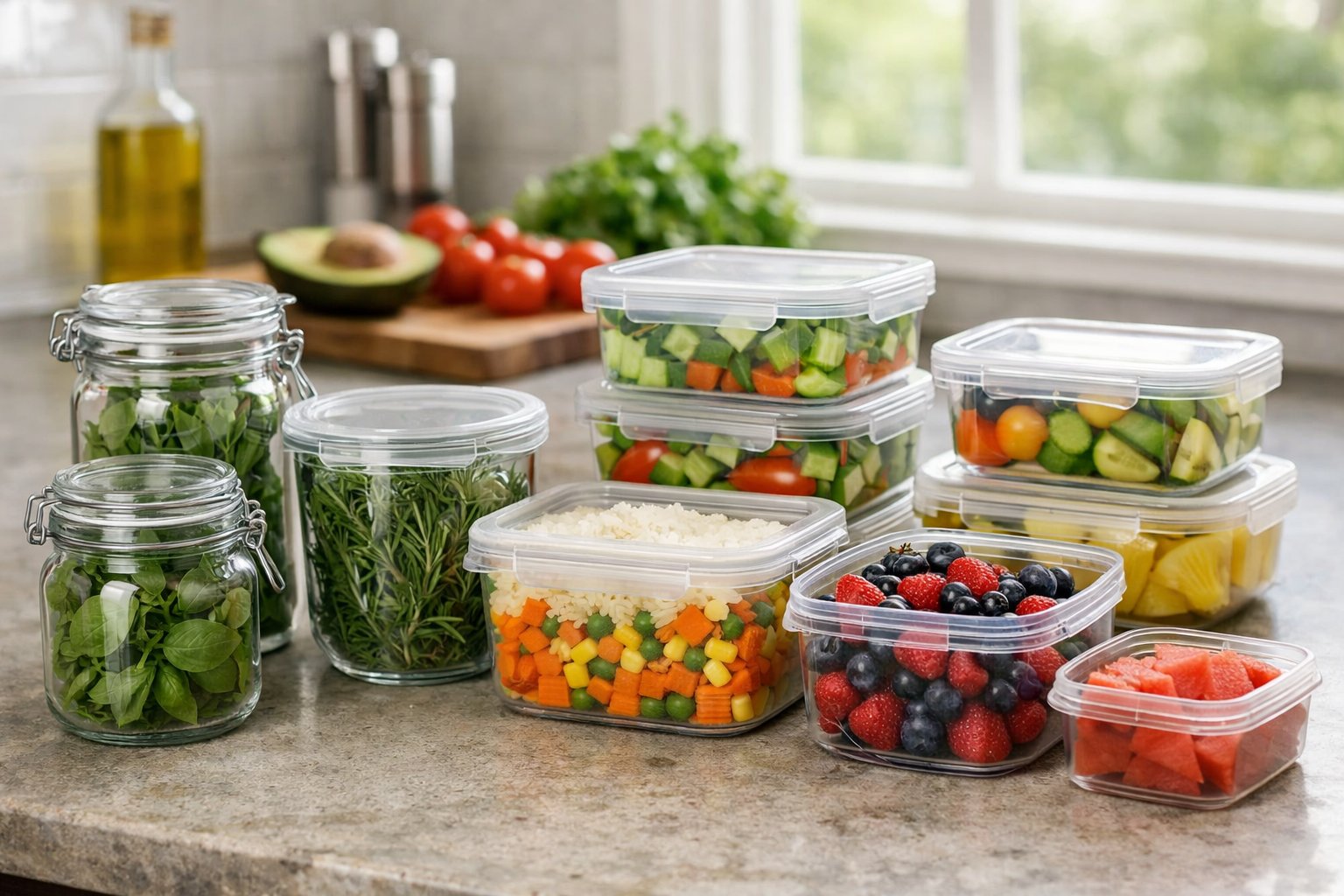
Check out our latest compact vacuum sealer for food collection!
We've all been there: you grab the salad greens you bought a few days ago only to find a wilted, slimy mess, or you reach for that chicken breast you could've sworn was fine yesterday, but now it smells off. The culprit often isn't just time but something sneakier happening in our kitchens and fridges.
When storage temperatures swing up and down, bacteria multiply faster, moisture shifts around causing condensation, and enzymes break down food structure at an accelerated rate, cutting shelf life dramatically and turning fresh ingredients into waste. Even a few degrees of variation can double the speed of spoilage.
Temperature fluctuations don't just affect whether food is safe to eat. They mess with texture, drain flavor, destroy nutrients, and cost us money every time we toss something that went bad too soon. Understanding why this happens and how to prevent it can save our ingredients, our meals, and our wallets.
A few simple adjustments to how we store food can make a big difference. Let's look at what's really going on when temperatures bounce around, which ingredients are most vulnerable, and the practical habits that keep everything fresher longer.
Key Takeaways
- Temperature swings cause condensation and speed up bacterial growth, leading to faster spoilage and safety risks
- Fluctuating temperatures damage food texture, flavor, and nutrient content while shortening shelf life significantly
- Maintaining steady storage temperatures and following smart storage habits prevents waste and keeps ingredients fresh longer
What Are Temperature Fluctuations?
Temperature fluctuations happen when storage conditions swing between warmer and cooler points instead of holding steady. These shifts trigger condensation, wake up dormant bacteria, and push enzymatic reactions into overdrive.
Definition and Common Causes
Temperature fluctuation means any deviation from a stable storage temperature, whether it's a quick spike or gradual drift over hours. We're not just talking about dramatic swings from freezing to warm. Even small changes of 2-3°C can kickstart spoilage processes we thought were safely on pause.
The most common culprit? Appliance malfunctions or poor maintenance. Door seals wear out, compressors struggle, or vents get blocked, and suddenly our fridges and freezers can't keep temps steady. Power outages create obvious problems, but so do overloaded shelves that block airflow.
Seasonal changes matter more than we realize. In summer, refrigerators work harder to fight ambient heat, and if they're older or undersized, they lose the battle. Hot food placed directly into cold storage forces the unit to cycle aggressively, creating waves of temperature change that ripple through everything nearby.
Frequent causes of temperature fluctuations:
- Faulty thermostats or compressors
- Blocked air vents from overcrowding
- Worn or damaged door seals
- Placing hot items in cold storage
- Power interruptions or electrical issues
How Storage Environments Change
Storage temperature shifts throughout the day based on environmental factors we often ignore. Our kitchens get warmer when we cook, and that heat radiates to nearby appliances. Fridges parked near ovens, dishwashers, or sunny windows fight a constant uphill battle.
Different zones within the same storage unit experience different conditions. The door shelves warm up fastest and most frequently. The back of the bottom shelf tends to be coldest, while upper shelves run a little warmer.
Humidity sneaks in too. When warm, moist air enters cold storage, condensation forms immediately on food surfaces and container walls. That moisture becomes a breeding ground for mold and bacteria, even if the temperature drops back down quickly.
Impacts of Door Openings and Human Error
Every time we open a fridge or freezer door, warm air rushes in and cold air spills out. A quick peek might seem harmless, but if we're standing there deciding what to grab, temperatures can jump 5-10°F in under a minute.
We contribute to temperature abuse through habits we barely notice. Leaving doors ajar while unloading groceries, opening the freezer multiple times during meal prep, or keeping the fridge open while putting away leftovers all create unnecessary temperature swings. Kids browsing for snacks or family members "just looking" add up fast.
Grocery haul delays are the worst. Leaving perishables in a warm car while running errands or letting frozen items sit on the counter during kitchen reorganization gives bacteria exactly what they want. Once food warms up, cooling it again doesn't undo the damage.
How Temperature Instability Leads To Faster Food Spoilage
When we store ingredients in environments where temperatures swing up and down, we basically create perfect conditions for bacteria to multiply rapidly and enzymes to break down food structure. These fluctuations trigger both biological and chemical reactions that dramatically reduce how long our food stays safe and fresh.
Accelerated Microbial Growth and Foodborne Illnesses
Temperature instability pushes our stored ingredients in and out of the danger zone (40°F to 140°F), where spoilage microorganisms thrive. Each time temperatures rise into this range, bacteria like Salmonella, E. coli, Listeria, and Bacillus wake up from their dormant state and start reproducing.
This can happen faster than we think. Bacteria double their population every 20 minutes under the right conditions. So every time we let food warm up, we're giving these pathogens a head start.
Different microorganisms become active at different temperatures. Some slow down at cooler temps, but others, like Listeria, keep going even in the fridge. That's why temperature fluctuations are especially risky for ready-to-eat foods.
Once bacterial populations hit a certain point, the food's unsafe—even if we chill it again.
Activation of Enzyme Activity and Chemical Degradation
Temperature swings crank up enzymatic activity that naturally occurs in food, breaking down proteins, fats, and carbs much faster than stable cold storage would allow. These enzymes stick around in fresh ingredients even after harvest or processing, and heat makes them work overtime.
You see this with produce and raw proteins. Higher temps mean molecules move faster, so enzymatic reactions speed up. That leads to texture changes, color loss, and off-flavors that make ingredients unappetizing or just plain weird.
Oxidation ramps up too, especially in fats and oils. This causes rancidity and nutrient loss. The pH of foods can shift as enzymes and microorganisms churn out acidic or alkaline byproducts, further wrecking food safety and quality.
Moisture migration gets worse when temps change. Condensation forms on food surfaces during warming periods, making wet spots where both enzymes and bacteria thrive. This damages cellular structure and creates little pockets of rapid spoilage.
Ingredient Quality: Texture, Flavor, And Freshness Under Threat
Temperature swings attack food quality on several fronts, creating moisture problems that invite spoilage, breaking down the very compounds that give ingredients their character, and damaging cellular structure in ways that wreck texture. These changes often sneak in before we notice anything's wrong, quietly degrading what should be fresh, flavorful ingredients.
Condensation and Moisture Migration
When we subject our ingredients to temperature fluctuations, water inside the food starts moving around in ways it shouldn't. Warm air holds more moisture than cold air, so when temperatures drop, that extra water settles on food surfaces as condensation.
This surface moisture is exactly what mold spores and bacteria need to wake up and multiply. We've all opened the fridge to find mysterious wet spots on cheese or vegetables that were bone-dry yesterday. That's moisture migration at work, creating perfect conditions for spoilage.
Repeated temperature cycles just make it worse. Each time ingredients warm up and cool down, more water migrates to the surface or collects in packages. This moisture can break vacuum seals, water down preservatives, and turn crisp vegetables limp overnight.
Foods most vulnerable to moisture issues:
- Leafy greens and fresh herbs
- Cheese and dairy products
- Bread and baked goods
- Fresh berries and delicate produce
Once moisture settles on food surfaces, it's tough to reverse the damage without affecting quality in other ways.
Flavor Degradation and Rancidity
Our ingredients lose their flavor punch when temperatures bounce around because it speeds up oxidation reactions that break down the volatile compounds responsible for taste and aroma. Herbs and spices lose their essential oils, coffee goes stale, and fresh ingredients that should taste vibrant end up flat or oddly off.
Fats and oils take the biggest hit. When temperatures rise, oxygen reacts with fatty acids to produce rancidity. You can smell this in nuts, whole grain flours, and cooking oils as that stale, cardboard-like odor. Oils high in polyunsaturated fats like flaxseed or walnut oil go rancid fastest, even in the fridge if temps aren't steady.
Temperature swings also destroy vitamins that add flavor complexity. Vitamin C breaks down quickly, and B vitamins aren't far behind. Once rancidity starts, it only gets worse, making ingredients both unpleasant and, honestly, a little questionable to eat.
Texture Changes and Freezer Burn
Freezer burn appears when frozen food loses moisture through sublimation, where ice crystals skip the liquid phase and turn straight into vapor. Temperature fluctuations make this worse because ice melts and refreezes repeatedly, forming those pale, frosty patches we see on meat, fish, and vegetables.
These dried-out spots get tough and lose flavor. Freezer burn isn't dangerous, but it tanks the eating quality of our ingredients. Proper wrapping helps, but if the freezer climbs above -18°C (0°F), it's an uphill battle.
Temperature swings in the fridge dry things out too. Produce shrivels as moisture escapes, proteins in meat and dairy break down, and we end up with slimy surfaces or grainy textures. Cheese crumbles or gets too soft, baked goods turn rubbery, and previously frozen foods become watery when thawed.
| Temperature Issue | Texture Impact |
|---|---|
| Freezer fluctuations | Ice crystals damage cell walls, causing mushiness |
| Refrigerator swings | Proteins break down, creating slime or separation |
| Warm-cold cycles | Moisture loss leads to shriveling and toughness |
Risks To Different Types Of Stored Ingredients
Different ingredient categories face unique threats when temperatures swing. Proteins and dairy spoil fastest due to moisture content and bacterial growth, while produce loses texture and nutrients, and even shelf-stable goods suffer quality degradation over time.
Perishable Foods and Dairy
Dairy products take the hardest hit from temperature fluctuations because they're loaded with protein, fat, and moisture that bacteria love. Milk can sour in hours if it warms past 4°C, and the damage is done even if we cool it back down right away. Cheese sweats and develops off-flavors, yogurt separates, and butter picks up funky odors from its surroundings.
Fresh meats and seafood are just as vulnerable. When temps rise, surface moisture appears, creating a breeding ground for Salmonella and E. coli. We've all seen that slimy film on chicken that sat out too long or noticed fish that smells off way before its sell-by date.
Signs your dairy and proteins are suffering:
- Sour or tangy smell in milk
- Slimy texture on meat surfaces
- Color changes (gray meat, yellowing dairy)
- Separation in yogurt or cream
- Excessive liquid pooling in packages
Temperature abuse hits these ingredients at the cellular level. Proteins break down, fats oxidize, and what should last a week might not make it three days. The danger zone between 4°C and 60°C lets pathogens double every 20-30 minutes, turning a small temperature spike into a serious food safety issue.
Fruits and Vegetables
Produce responds to temperature swings by accelerating its natural aging process. Leafy greens wilt and turn brown as cell walls break down. Berries get mushy and leak juice. Even hardy vegetables like carrots lose their snap when temperatures bounce around.
Condensation from warming and cooling cycles lands right on produce surfaces, inviting mold spores to take hold. We've all opened a crisper drawer to find slimy lettuce or fuzzy strawberries that were fine just yesterday. That's moisture and temperature working against us.
Temperature-sensitive produce:
- Berries (strawberries, blueberries, raspberries)
- Leafy greens (lettuce, spinach, herbs)
- Tomatoes (lose flavor below 10°C)
- Cucumbers and peppers
- Stone fruits (peaches, nectarines)
Enzymatic activity ramps up each time produce warms, pushing it past peak ripeness straight into decay. Bananas that should yellow gradually turn brown overnight. Apples get mealy instead of crisp. The enzymes responsible for ripening don't stop when we cool things down again—they just pause and restart with the next temperature spike.
Dry Goods, Spices, and Preserved Items
We like to think dry goods are invincible, but temperature swings mess them up too. Whole grain flours and nuts have oils that go rancid way faster when it’s warm. Spices lose their punch, turning into bland, dusty powders instead of the bold flavors we’re hoping for.
Humidity changes from those temperature shifts cause sneaky problems. Sugar clumps, salt turns into rocks, and dried pasta can soak up moisture, get brittle, or start attracting bugs. Rice and beans that should last months might develop weird smells or get overrun by pantry pests that love unstable conditions.
Even canned and jarred foods aren’t totally safe. When temperatures keep cycling, seals can fail, letting in air and spoiling what should’ve been good for ages. The contents expand and contract, sometimes leaking so slightly we don’t notice until the food’s already gone off.
| Ingredient Type | Primary Risk | Shelf Life Impact |
|---|---|---|
| Whole grain flour | Rancidity | Weeks instead of months |
| Ground spices | Flavor/aroma loss | 50% potency loss in weeks |
| Nuts and seeds | Oil oxidation | Stale taste, shortened life |
| Dried herbs | Essential oil loss | Flat, papery flavor |
Mastering Temperature Control And Proper Storage
Keeping ingredients fresh is mostly about getting storage temperatures right, blocking out air and moisture, and spotting trouble early. Good fridge habits, proper sealing, and some basic monitoring go a long way to stopping spoilage before it starts.
Refrigeration and Freezing Best Practices
Keep the fridge at or below 4°C (40°F), freezer at -18°C (0°F) or colder. No shortcuts—those are the numbers that slow down bacteria and enzymes that ruin food.
Air circulation is a bigger deal than most of us realize. Overstuffed shelves block cold air, creating warm spots where food spoils faster. Leave some space and don’t block vents.
Put the most sensitive stuff in the coldest spots. Raw meat and seafood go on the bottom shelf, dairy does fine in the middle. The fridge door is warmest, so stash condiments and shelf-stable items there.
Quick storage tips:
- Let hot food cool to room temp before refrigerating
- Use first-in, first-out
- Don’t overload shelves
- Keep doors closed as much as possible
- Check door seals for gaps
Label everything with dates. It’s not glamorous, but it beats guessing what’s in the mystery container.
Vacuum Sealing and Airtight Containers
Vacuum sealing pulls out the oxygen bacteria and mold need to grow. By removing air, we slow down oxidation and stop microbes in their tracks. It’s a game-changer for raw meat, cheese, nuts, and coffee beans that turn stale or rancid quickly.
Airtight containers keep out moisture and outside air. They prevent condensation during temperature changes, which is exactly what kicks off spoilage.
For the freezer, proper sealing keeps freezer burn at bay. We’ve all seen those frosty, dried-out patches on badly wrapped meat—good seals stop that from happening.
Glass containers with rubber-sealed lids work well in the fridge. Silicone bags are reusable and seal tight. For bulk dry goods, food-grade plastic bins with snap lids keep out bugs and humidity.
Using Sensors and Temperature Monitoring
Temperature sensors give us hard data instead of guesswork. Stick digital thermometers in different fridge and freezer zones to see if temps are steady or drifting into the danger zone.
Spotting problems early saves groceries. If the fridge creeps above 4°C, we’ll know right away—not days later when everything’s spoiled. Some sensors even send alerts to our phones.
Check several spots, not just one. The fridge’s back is colder than the door, and the bottom of the freezer is more stable than the top. Knowing these variations helps us stash food in the best spots.
Monitoring checklist:
- Place thermometers in warmest and coldest zones
- Log temps weekly
- Set up alerts for critical temps
- Test accuracy with a calibrated thermometer
- Swap batteries regularly
A basic digital sensor costs less than a ruined batch of meat or seafood. Honestly, the payoff’s worth it.
Smart Habits To Extend Shelf Life And Prevent Food Waste
Fresh ingredients last longer with steady temperatures, quick fixes for fridge issues, and storage that actually keeps the cold in. These are simple changes, but they make a real difference.
Maintaining Ideal Storage Temperature Consistency
Our fridges need to stay at or below 4°C (40°F), freezers at -18°C (0°F) or colder. Those numbers aren’t random—they’re where bacteria slow down and food stays safe.
Every time the fridge or freezer warms up and cools down, spoilage gets a new opportunity. We should avoid opening doors more than necessary, especially when it’s hot out.
Quick wins for temperature stability:
- Put a thermometer in the coldest part of the fridge and freezer
- Don’t cram shelves—air needs to move
- Cool leftovers to room temp before refrigerating (but don’t leave them out over 2 hours)
- Store perishables in the back, away from the door
The cold chain only works if we keep it unbroken. Even one slip can slash shelf life.
Preventative Maintenance For Cold Storage
Routine checks catch little problems before they ruin groceries. Check door seals monthly—if a dollar bill slides out with the door closed, the seal’s shot.
Dusty condenser coils make the fridge work harder and less efficiently. Clean them every three months to keep things running smoothly. Commercial fridges need pro servicing twice a year, but at home, regular upkeep is usually enough.
Frost buildup in freezers isn’t just annoying—it points to temperature swings that can wreck food. Manual defrost freezers need cleaning when frost hits 6mm thick. Even frost-free models benefit from an annual deep clean.
Energy Efficiency And Insulated Metal Panels
Better insulation means steadier temperatures and lower bills. Insulated metal panels in commercial fridges keep cold where it belongs, but we can use the same idea at home.
If the garage freezer or basement fridge can’t hold temp overnight, adding insulation helps. Energy efficiency isn’t just about saving money—it’s about keeping food in a stable environment.
Upgrading to better-insulated units pays off quickly. Modern fridges with thick walls and tight seals use less power and keep temperature steady. That’s what extends shelf life and keeps food from going bad before we get to it.
Frequently Asked Questions
Temperature swings open the door to spoilage, bacteria multiply, enzymes activate, and all sorts of things start happening faster than we’d like. Knowing how this works helps us protect our food and waste less.
How can irregular temperatures speed up the spoilage process in my pantry items?
When pantry temps jump around, dormant bacteria and enzymes wake up and get to work. Foods that should last months might go bad in weeks, every warm spike speeds up the breakdown of starches, fats, and proteins.
Dry goods like flour, grains, and nuts go rancid faster if it gets warm. The oils oxidize, leaving that stale, cardboardy smell and taste. The damage sticks around even after things cool off again.
Moisture is another sneaky culprit. Warm air holds more moisture, and when it cools, that water condenses on packages and inside containers. Mold and pantry pests love those conditions.
In what ways do temperature swings put my fresh produce at risk of going bad?
Fresh produce needs steady cold to slow down ripening and decay. When temperatures jump, enzymes speed up, turning crisp veggies limp and making fruit brown faster.
Condensation forms on produce during temp changes, and that moisture is prime real estate for bacteria and mold. Leafy greens wilt, berries get mushy, and stuff that should last a week barely makes it to day three.
Cell walls break down faster with each temp swing. That’s why we end up with soggy veggies in the crisper when the fridge isn’t holding temp.
Could you explain how keeping a consistent temperature ensures longer shelf life for my groceries?
Steady temps keep bacteria in check by making sure they stay dormant instead of multiplying. When the fridge holds at 4°C (40°F) or below, bacteria can’t double every 20–30 minutes like they do when it’s warmer.
Enzymatic activity stays low when temps don’t fluctuate. Natural processes that ripen and break down food crawl at their slowest, so food lasts as long as possible.
Chemical reactions like rancidity and vitamin loss slow down too. Fats don’t oxidize as quickly, proteins hold together, and we sidestep that domino effect of spoilage from repeated temp abuse.
What's the deal with fluctuating temps turning my kitchen into a food-safety hazard zone?
The “danger zone” is 4°C to 60°C (40°F to 140°F), and temp fluctuations keep pushing food into that range where nasty stuff like Salmonella, E. coli, and Listeria multiply fast. Even short exposures add up, creating invisible risks.
Every time food warms up and cools down, harmful bacteria get another shot at multiplying. They don’t die when it cools off—they just pause and wait for the next warm spell.
Ready-to-eat foods and leftovers are especially risky since we probably won’t cook them again to kill any bacteria that snuck in during temp swings. One unreliable fridge can turn safe leftovers into a foodborne illness risk in just a few hours.
Are there any tricks to maintaining the perfect chill factor to keep my eats pristine?
Don’t overcrowd fridge and freezer shelves. Air needs to circulate to keep temps even, and leaving space prevents warm spots where spoilage starts.
Thermometers in different zones help us catch problems early. The door is usually warmest, so keep perishables on the interior shelves where temps are most stable.
Let hot foods cool to room temp before refrigerating so they don’t heat up everything else and overwork the fridge. Limit door openings, especially when it’s hot, and make sure seals are tight and working.
Why is it that my snacks throw a fit and spoil when they don't have a stable climate?
Snack foods have fats and oils that go off fast when the temperature jumps around, so those chips or crackers you love can end up tasting weirdly stale or even rancid. Packaging helps, but honestly, it can't fight against a storage spot that's always changing.
Crackers, cookies, and cereal? They hate moisture. When the temperature goes up and down, condensation sneaks in, and suddenly your crunchy snack is limp and sad. Plus, with that extra moisture, mold might decide to move in too.
Chocolate and candy? If the temperature isn't steady, chocolate gets that white, powdery "bloom", that's just cocoa butter or sugar crystals showing off on the surface. It's still fine to eat, but let's be real, it looks and feels kind of off.
Share:
How to Avoid Flavor Transfer Between Stored Foods
A Guide to Building a “Cook Once, Store Smart” Weekly Routine